Photoshoot for Business: A Complete Guide for 2026
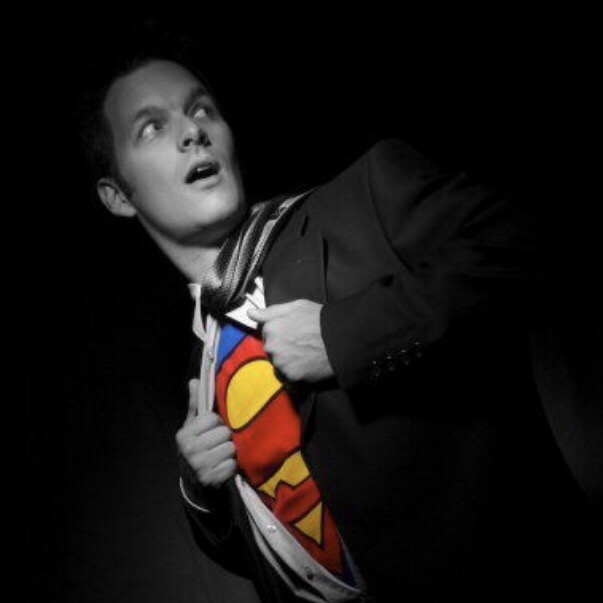
Your company's visual identity matters more than ever. A professional photoshoot for business isn't just about getting a few nice pictures anymore. It's about creating a cohesive visual brand that tells your story, builds trust with customers, and sets you apart from competitors. Whether you need fresh headshots for your team, dynamic images for your website, or comprehensive branding photography, the right approach makes all the difference.
Why Your Business Needs Professional Photography
Most businesses underestimate the impact of professional images. Stock photos don't cut it when potential clients want to see the real people behind your brand.
A photoshoot for business serves multiple purposes:
Trust building - Real photos of your team create authentic connections
Brand consistency - Professional images maintain visual standards across all platforms
Marketing assets - Quality photos fuel your website, social media, and advertising
Competitive edge - Stand out in crowded markets with unique, personalized imagery
The difference between amateur snapshots and professional photography shows immediately. Clients notice lighting, composition, and image quality even if they can't articulate why one photo works better than another.
The ROI of Professional Business Photography
Numbers don't lie. Businesses that invest in professional commercial photography see measurable returns. Your website converts better with real team photos. Social media posts with original images get higher engagement. Job postings with actual office photos attract better candidates.
Think of it as infrastructure. You wouldn't skip investing in your website or office space. Visual assets deserve the same consideration.
Types of Business Photoshoots You Should Consider
Not every photoshoot for business looks the same. Your needs depend on your industry, goals, and how you connect with customers.
Headshots for Your Team
Professional headshots remain the foundation of business photography. The Headshot Sessions give each team member a polished, professional image that builds credibility.
Modern headshots go beyond the traditional corporate look. Context matters. Some businesses benefit from studio portraits on clean backgrounds. Others prefer environmental headshots that showcase their workplace.
Here's what makes headshots effective in 2026:
Element | Traditional Approach | Modern Approach |
Background | Plain gray or white | Branded colors or workspace |
Expression | Serious and formal | Approachable and authentic |
Outfit | Conservative suit | Brand-aligned attire |
Usage | Website bio only | Multi-platform assets |
Your team deserves images that reflect their personalities while maintaining professionalism. A good photographer captures both.
Branding Photography Sessions
The Branding Sessions tell your complete business story. These comprehensive shoots create a library of images showing your team in action, your workspace, your process, and your culture.
Branding photography differs from simple headshots because it captures the "why" behind your business. You're showing potential clients what it's like to work with you. The photo branding process involves planning specific scenarios that demonstrate your values and expertise.
Smart businesses schedule branding sessions annually. Your company evolves. Your imagery should too.
Event Coverage
Whether it's a conference, product launch, or company celebration, Calgary Event Photography documents your business milestones. These images serve double duty as marketing assets and internal morale boosters.
Event photos capture energy and engagement in ways staged photos can't. They show your business in the real world, connecting with clients, celebrating wins, and building community.
Planning Your Business Photoshoot
Success starts long before the camera clicks. Planning separates mediocre results from exceptional ones.
Define Your Goals First
Why are you scheduling this photoshoot for business? Be specific.
Common goals include:
Website refresh - Need updated team photos and lifestyle images
Marketing campaign - Building assets for a specific promotion or launch
Recruitment - Showing company culture to attract talent
Brand repositioning - Updating your visual identity to match business evolution
Write down exactly what you need. "Better photos" is too vague. "15 individual headshots, 20 team collaboration shots, 10 workspace environment images" gives your photographer clear direction.
Choose the Right Photographer
Not every photographer understands commercial work. Strategies to level up your corporate photography require experience with business environments and brand alignment.
Look for photographers who:
Show commercial work in their portfolio
Understand your industry's visual language
Communicate clearly about timelines and deliverables
Offer guidance on planning and preparation
The cheapest option rarely delivers the best value. You're investing in assets you'll use for years.
Location Decisions
Where you shoot matters as much as what you shoot. Studios offer controlled environments and consistent lighting. On-location shoots at your actual workspace add authenticity and context.
Many businesses benefit from both. Studio headshots provide clean, professional images perfect for LinkedIn and email signatures. On-location branding photography captures your real environment and working culture.
Consider these factors:
Natural light availability - Does your office have good windows?
Space requirements - Can you set up a temporary studio area?
Brand alignment - Does your workspace reflect your brand image?
Logistics - Can team members easily access the location?
Preparing Your Team for a Successful Shoot
The best photographer can't fix poor preparation. Your team's readiness determines your results.
Wardrobe Guidelines
Clothing makes or breaks business photos. Skip the overly trendy outfits that'll look dated next year. Stick with classic, professional pieces in colors that complement your brand.
Wardrobe do's:
Solid colors in jewel tones or neutrals
Well-fitted clothing without wrinkles
Limited accessories that don't distract
Brand colors when appropriate
Wardrobe don'ts:
Busy patterns or thin stripes
Pure white or pure black (they cause lighting issues)
Visible logos unless intentional
Anything uncomfortable (it shows in photos)
Give your team these guidelines at least a week before the shoot. Some people need time to shop or adjust their wardrobes.
Scheduling and Timing
A rushed photoshoot for business produces rushed-looking photos. Build in buffer time.
Schedule conservatively:
Session Type | Recommended Time | Why |
Individual headshot | 15-20 minutes | Multiple outfit/background options |
Group headshots (5-10 people) | 2-3 hours | Individual attention plus group shots |
Half-day branding session | 4 hours | Location changes, setup, variety |
Full-day branding session | 6-8 hours | Comprehensive coverage, multiple scenarios |
Morning shoots often work better for office environments. People look fresher, energy runs higher, and natural light peaks. But know your team. If everyone's sharper after lunch, schedule accordingly.
Mental Preparation
Most people feel nervous in front of cameras. That anxiety shows in photos as stiff poses and forced smiles.
Help your team relax:
Share what to expect during the session
Explain that multiple takes are normal
Emphasize that photos can be retaken if needed
Consider scheduling a few minutes for people to get comfortable before shooting
Working with a photographer who understands how to make people comfortable transforms the experience. The right professional knows how to guide posing naturally and capture genuine expressions.
Maximizing Your Photoshoot Investment
You're paying for professional time and expertise. Get everything you can from each session.
Create a Shot List
Don't wing it. A detailed shot list ensures you capture everything you need. For a comprehensive photoshoot for business, your list might include:
Individual Shots:
Headshots (formal and casual versions)
Full-body portraits
Working at desk/in environment
Specialty poses for specific team members
Group Shots:
Full team photos
Department groupings
Leadership team
Candid collaboration moments
Environmental Shots:
Office exterior and reception
Workspaces and common areas
Detail shots (equipment, products, branding elements)
Share this list with your photographer during planning. They'll add suggestions based on experience and help prioritize shots within your timeframe.
Capture Variety
The biggest mistake businesses make? Not shooting enough variety during their sessions. Different crops, angles, and expressions give you flexibility for future use.
For headshots specifically, variety means:
Vertical and horizontal orientations
Tight crops and environmental versions
Different expressions (serious, smiling, thoughtful)
Multiple outfit options when time allows
Think Beyond Today
Your photoshoot for business should create assets for the next 1-2 years minimum. Consider future needs when planning.
Ask yourself:
What campaigns are planned for the next year?
Which team members might need updated photos?
What seasonal or holiday content could you shoot now?
What props or scenarios might extend image usefulness?
Smart businesses shoot extra content while the photographer's already on-site. The marginal cost of additional shots is minimal compared to scheduling an entirely new session.
After the Shoot: Making the Most of Your Images
Getting the photos is just the beginning. How you use them determines your return on investment.
Image Selection and Editing
Your photographer will likely deliver more images than you requested. That's intentional. Having choices helps you pick the absolute best shots.
Review images with your team. Get input from the people in the photos. They'll notice details you might miss. But avoid design-by-committee paralysis. Limit final decision-makers to 2-3 people.
Professional editing transforms good photos into great ones. Expect your photographer to handle:
Color correction and exposure adjustments
Minor retouching (blemishes, stray hairs)
Background cleanup
Consistent styling across the set
Avoid over-editing. Natural-looking photos build more trust than overly polished, artificial images.
Organizing Your Photo Library
The Individual Headshots Packages deliver high-resolution files ready for multiple uses, but only if you can find them when needed. Set up a simple organization system from day one.
Store images with clear naming conventions. Include the person's name, date, and image type. Create folders by category (headshots, team photos, office environment, action shots). Back everything up in at least two locations.
Many businesses create a shared drive or cloud folder where team members can access their own photos. This reduces bottlenecks when someone needs their headshot for a conference bio or social media update.
Strategic Distribution
Your new images should appear everywhere your business shows up. Update them systematically:
Website - Homepage team section, about page, individual bios
Social media - Profile photos, cover images, post content
Email signatures - Professional headshots for all team members
Marketing materials - Brochures, one-pagers, presentations
Job postings - Real office photos attract better candidates
Industry directories - LinkedIn, Google Business, professional associations
Don't dump everything online at once. Space out releases to create ongoing content. A strategic photography approach treats images as valuable assets, not one-time uploads.
Special Considerations for Different Industries
Different businesses need different approaches to their photoshoot for business. What works for a law firm won't work for a creative agency.
Professional Services
Lawyers, accountants, consultants, and financial advisors benefit from traditional, polished imagery. These industries still value formal headshots and corporate photography that conveys expertise.
But even conservative industries are loosening up. Environmental shots showing your team collaborating or working with clients add warmth without sacrificing professionalism.
Creative and Tech Companies
These businesses can push boundaries. Personality-driven photos, casual workplace shots, and creative branding photography sessions align with their culture.
The challenge? Avoiding clichés. Not every tech company needs foosball table photos. Find authentic moments that genuinely represent your culture.
Retail and Hospitality
Customer-facing businesses need images showing interaction and service. Your photoshoot for business should capture the customer experience.
Show your team engaging with clients. Capture your space during busy periods. Demonstrate the energy and atmosphere that makes your business special.
Common Mistakes to Avoid
Even with planning, businesses make predictable errors. Here's what to skip.
Rushing the process - Good photography takes time. Cramming 20 headshots into an hour produces mediocre results. Budget adequate time for each person and scenario.
Ignoring brand guidelines - Your photos should align with your overall brand. If your company uses specific colors, incorporate them. If your brand is playful, show it.
Forgetting about diversity - Your imagery should represent your actual team and customer base. Make sure everyone's included and featured prominently.
Postponing updates - Outdated photos hurt credibility. If your team has changed significantly, schedule a refresh. Don't let photos age past two years.
Using only headshots - While professional headshots are essential, they're not sufficient. Creative business photography ideas expand your visual toolkit and storytelling capacity.
Working with Professional Photographers
The photographer-client relationship determines outcome quality. Good communication creates better results.
Setting Expectations
Be clear about deliverables upfront. Discuss:
Number of final edited images
File formats and resolution
Turnaround time for delivery
Usage rights and licensing
Additional costs for rush delivery or extra editing
Most professional photographers provide contracts specifying these details. Read them carefully. Ask questions before signing.
Collaboration During the Shoot
Your photographer guides the technical aspects, but you know your business. Speak up if something doesn't feel right.
Good photographers welcome collaboration. They'll ask for your input on:
Background and location choices
Specific shots needed for campaigns
Team member positioning in group photos
Adjustments to match your vision
The best results come from partnership, not passive acceptance of whatever the photographer suggests.
Long-Term Relationships
Finding a photographer who understands your business is valuable. They learn your preferences, recognize team members, and maintain consistency across multiple shoots.
Building a relationship with a professional like those offering commercial photography expertise means future shoots go faster and produce better results. They already know your brand standards and expectations.
Trends Shaping Business Photography in 2026
Photography evolves with technology and culture. Current trends worth considering:
Authenticity over perfection - Slightly imperfect, genuine moments often outperform overly polished studio shots. People want to see real humans, not corporate robots.
Environmental context - Pure studio headshots still have their place, but contextual photos showing people in their actual work environments add depth and interest.
Diversity in all forms - Representation matters. Modern business photography showcases diverse teams, abilities, ages, and backgrounds authentically.
Video integration - Many photographers now offer short video clips alongside still images. These brief moments add motion and life to websites and social media.
Quick turnaround - Businesses expect faster delivery than ever. Discussion of planning successful photoshoots increasingly includes immediate usage needs.
Budgeting for Business Photography
Quality costs money, but returns justify investment. Plan your budget around value, not just price.
What Influences Pricing
Several factors affect photoshoot costs:
Photographer experience and reputation
Session length and complexity
Number of people photographed
Location (studio vs. on-site vs. multiple locations)
Usage rights and licensing
Editing and retouching requirements
Get detailed quotes from multiple photographers. Compare not just prices but what's included. The lowest quote might exclude things you need.
Calculating Real ROI
Don't just think about costs. Consider value. Professional photos:
Improve website conversion rates
Increase social media engagement
Strengthen employer brand for recruitment
Create years of marketing assets
Build customer trust and credibility
If a photoshoot for business costs $3,000 but you use the images for two years across all marketing channels, that's $125 per month for your entire visual brand. Most businesses spend more on individual Facebook ads.
A thoughtful, well-planned photoshoot for business creates visual assets that serve your company for years. From updated headshots to comprehensive branding photography, professional images build trust, strengthen your marketing, and help your business stand out. Jeff B Photography specializes in creating authentic, personalized images for Calgary businesses through The Headshot Sessions, The Branding Sessions, and Calgary Event Photography. Ready to elevate your visual brand? Let's create images that truly represent your business.

Comments