Qualities of a great headshot: your 2026 guide
TL;DR:
A great headshot captures authentic personality, projects confidence, and aligns with professional goals. It relies on genuine expression, intentional lighting, and strategic composition to create a memorable first impression. Avoid over-editing, distracting backgrounds, and stiff poses to ensure your headshot remains credible, relatable, and industry-appropriate.
A great headshot is defined by its ability to capture authentic personality, project confidence, and align with your professional goals in a single frame. In the world of personal branding and corporate identity, your headshot is often the first impression you make on a hiring manager, a potential client, or a LinkedIn connection. The qualities of a great headshot go far beyond sharp focus or good lighting. They include emotional presence, intentional composition, and a genuine connection between subject and camera. Photographers like Peter Hurley and Ivan Weiss have built entire careers on the principle that authenticity in headshots resonates more powerfully with viewers than technical perfection alone.
1. What are the top visual qualities that make a headshot stand out?
The visual foundation of any effective headshot rests on three pillars: clean lighting, an uncluttered background, and sharp resolution. These are the attributes of effective headshots that separate a polished professional image from a casual snapshot.
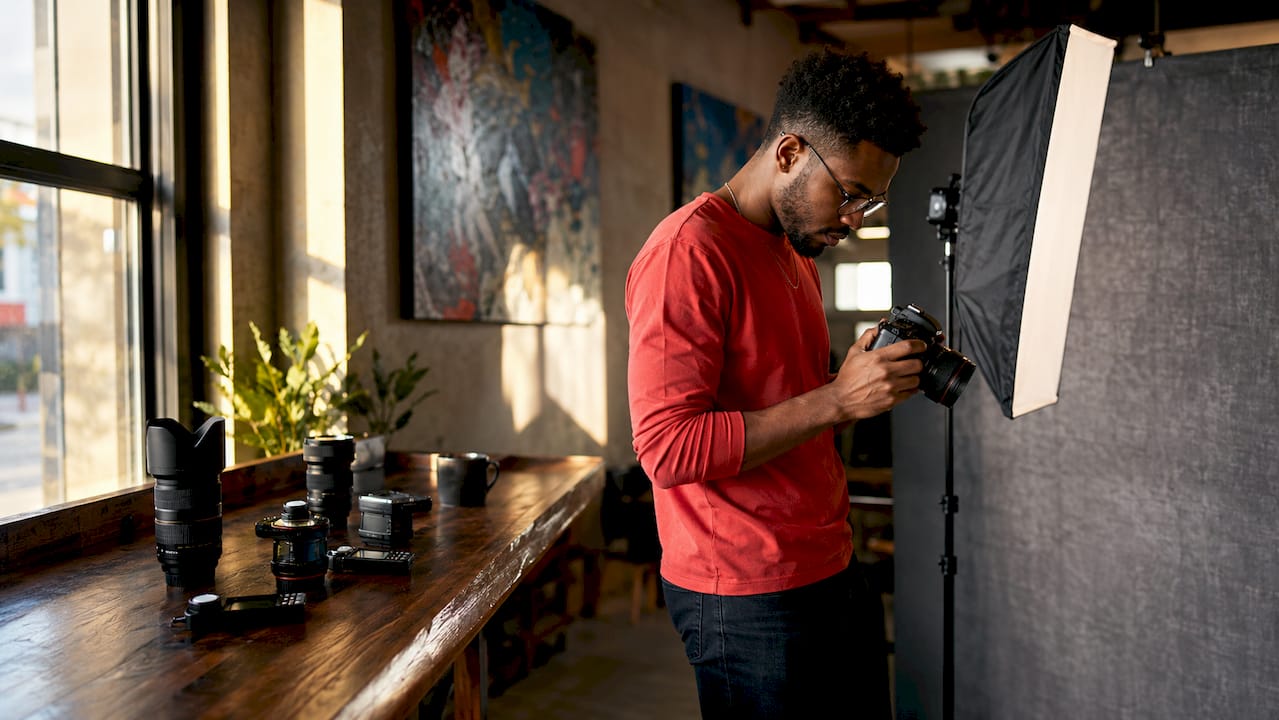
Lighting is the single most controllable variable in headshot photography. Studio lighting calibrated to ease shadows and add catchlights in the eyes dramatically increases viewer engagement. Catchlights are those small bright reflections in the iris that make eyes look alive and present. Without them, even a technically sharp photo can feel flat and disconnected.
Background matters more than most people expect. A simple, non-distracting background keeps the viewer’s attention on your face, where it belongs. Clean studio backdrops or softly blurred environments both work well. Busy backgrounds, textured walls, or cluttered office spaces pull focus away from you and dilute the image’s impact.
Framing and composition shape how authoritative or approachable you appear. Head and shoulders framing reads as intimate and direct. Waist-up framing adds context and works well for creative professionals who want to show personality through wardrobe. Closer framing creates approachability, while slightly wider shots can signal authority and presence.
Pro Tip: Avoid overhead lighting or a single light source directly in front of you. Both flatten facial features and create unflattering shadows under the eyes and chin. A two-light setup with a key light and a fill light is the standard for a reason.
2. How does expression and posing influence headshot effectiveness?
Expression is the soul of a headshot. A technically perfect photo with a stiff or forced expression will always underperform a slightly imperfect photo where the subject looks genuinely alive. Peter Hurley’s advice is clear: the best headshots are real and interesting, not manufactured.
Here are the posing and expression techniques that consistently produce strong results:
Angle your shoulders. Posing with shoulders angled away from the camera while keeping your face forward creates depth and a natural silhouette. Straight-on chest shots look flat and can add visual weight.
Use the squinch. The squinch technique involves slightly squinting the lower eyelids while keeping the upper lids relaxed. It signals confidence and intelligence without looking aggressive or tired.
Relax your jaw. Tension in the jaw is one of the most common problems in headshots. Gently opening your mouth slightly and breathing through it before the shutter clicks releases that tension naturally.
Make genuine eye contact with the lens. Think of the camera as a person you respect and want to connect with. That mental shift changes the energy of your gaze entirely.
Let your smile reach your eyes. A mouth smile without eye involvement reads as performative. Think of something that genuinely makes you happy for two seconds before the shot.
Pro Tip: Practise your expressions in a mirror or on your phone camera the night before your session. You will feel far less self-conscious in front of a professional camera when you already know what your natural, confident expression looks like.
3. What role does wardrobe and grooming play in quality headshots?
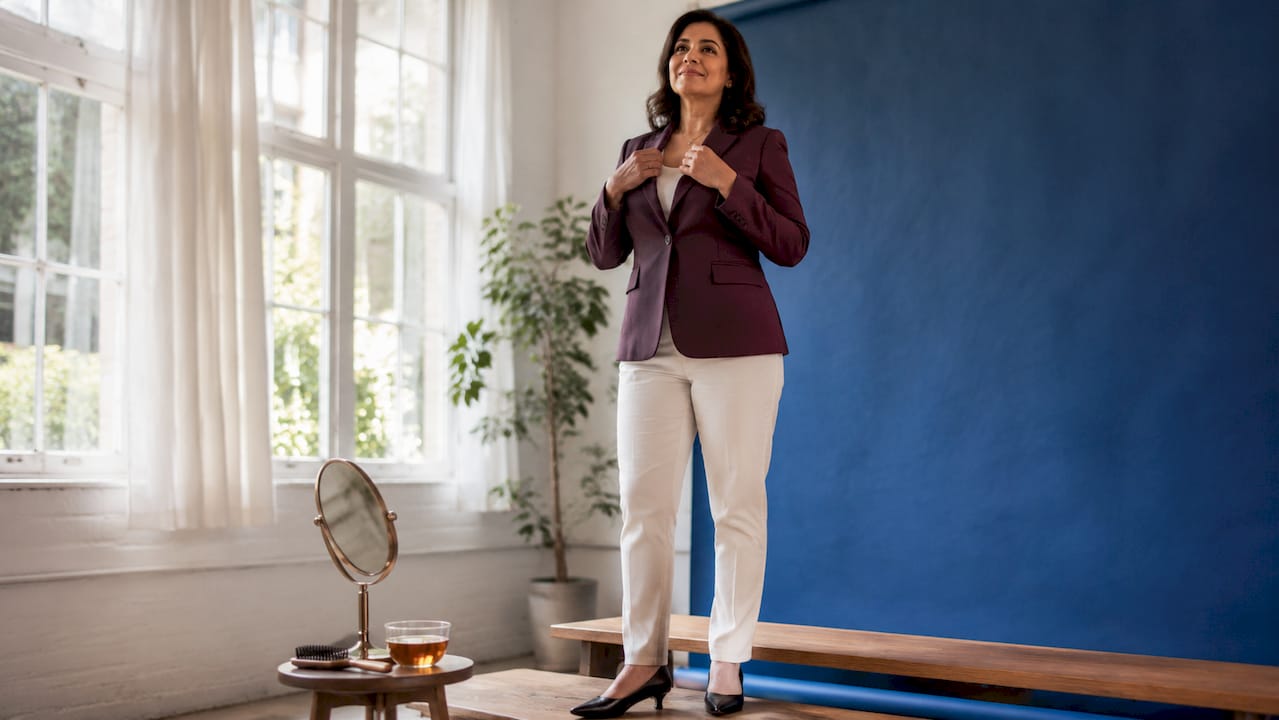
Wardrobe is the frame around the painting. The ideal headshot qualities include clothing that supports your professional identity without competing with your face for attention. Solid colours and timeless styles avoid distraction and keep the viewer focused on you, not your outfit.
Grooming follows the same logic. Hair should be clean, styled, and consistent with how you normally present yourself professionally. For those who wear makeup, a natural, polished look photographs better than heavy contouring, which can look uneven under studio lighting. Subtle retouching after the session can address minor skin concerns without making you look like a different person.
Wardrobe do’s and don’ts:
Do choose solid colours in navy, grey, burgundy, or forest green. These read well on screen and complement most skin tones.
Do wear something you feel genuinely confident in. Comfort shows in your posture and expression.
Do bring two or three outfit options to the session so you have choices.
Don’t wear busy patterns, logos, or graphics. They date quickly and distract from your face.
Don’t wear all white or all black if your background is light or dark. You want contrast, not camouflage.
Don’t wear something brand new that you haven’t worn before. Unfamiliar clothing creates subtle discomfort that the camera picks up.
Coordinate your wardrobe with your intended background and lighting setup in advance. A quick conversation with your photographer before the session saves time and produces far better results.
4. How to tailor headshot qualities to your professional or personal brand
The best headshot features for a surgeon are not the same as those for a creative director or a real estate agent. Headshot qualities vary by industry, and understanding those differences is what separates a generic photo from a strategic branding asset.
The emotional message a headshot conveys should match what your audience needs to feel. A medical professional needs to project trust and calm. An actor needs intrigue and range. An executive needs authority and approachability in equal measure.
Industry | Ideal tone | Background | Wardrobe |
Medical / Healthcare | Trust, calm | Clean white or light grey | Conservative, professional |
Creative / Design | Personality, energy | Textured or environmental | Expressive, on-brand colour |
Executive / Corporate | Authority, confidence | Dark or neutral studio | Classic suit or blazer |
Real estate / Sales | Approachability, warmth | Bright, open | Smart casual, friendly colour |
Legal / Finance | Credibility, precision | Neutral, minimal | Formal, conservative |
Colour psychology also plays a real role here. Navy and charcoal signal authority. Warm tones like rust or terracotta signal approachability. Bright colours like yellow or coral signal energy and creativity. Choose intentionally based on the message you want your brand to send.
5. What common mistakes reduce the impact of a headshot?
Even a well-planned session can produce underwhelming results if certain pitfalls are not avoided. These are the most common mistakes that undermine the elements of successful headshots:
Over-editing. Unnatural retouching reduces credibility and personal connection. Viewers notice when skin looks plastic or eyes have been artificially brightened. Clean, natural retouching is always the right call.
Distracting backgrounds. A cluttered or visually busy background competes with your face. Even a beautiful outdoor location can work against you if it is not properly blurred or composed.
Inappropriate attire. Wearing something too casual, too formal, or misaligned with your industry sends a confusing message before you say a word.
Stiff, unnatural poses. Chest-on, arms-at-sides posing looks like a passport photo. Slight angles and relaxed body language make a significant difference.
Flat or harsh lighting. Overhead fluorescent lighting, direct flash, or a single harsh light source creates unflattering shadows and washes out skin tones.
Lack of preparation. Arriving at a session without a clear sense of your goals, your wardrobe, or your intended use for the photos leads to generic results. A five-minute conversation with your photographer beforehand changes everything.
The most overlooked mistake is treating a headshot session as a passive experience. You are an active participant. The more you communicate with your photographer about your goals and your brand, the better the outcome.
Key takeaways
A great headshot succeeds when authentic expression, intentional lighting, and strategic composition work together to communicate exactly who you are and what you stand for.
Point | Details |
Lighting is foundational | Studio lighting with catchlights in the eyes increases viewer engagement and trust. |
Expression beats perfection | Genuine emotion and relaxed posing outperform technically flawless but stiff shots. |
Wardrobe supports the message | Solid colours and timeless styles keep focus on your face and reinforce your brand. |
Tailor to your industry | The ideal tone, background, and wardrobe vary significantly by profession and audience. |
Avoid over-editing | Natural retouching preserves authenticity and keeps your headshot credible and relatable. |
What I have learned after years behind the camera
Every session teaches me something new, but one truth keeps showing up: the people who get the best headshots are the ones who stop trying to look good and start trying to feel present.
I have photographed executives, doctors, real estate agents, and creatives across Calgary. The ones who walk away with photos they are genuinely proud of are almost never the ones who arrived with the most polished look. They are the ones who were willing to laugh a little, adjust their shoulders when I asked, and trust the process. That openness shows up in the final image in a way that no amount of post-processing can replicate.
One thing I push back on gently is the idea that a headshot needs to look “professional” in the stiff, formal sense. What it actually needs to do is look like you on your best day. That is a different goal entirely, and it requires a different kind of preparation. Think less about what you want to look like and more about how you want people to feel when they see your photo.
The trends I am seeing in 2026 lean toward environmental shots, warmer tones, and slightly more relaxed posing. But the fundamentals have not changed. Eye contact, genuine expression, and clean composition are still the qualities that make a headshot work across every platform, from LinkedIn to a company website to a conference programme.
If you are preparing for a session, my single best piece of advice is this: get a good night’s sleep, wear something you love, and show up ready to have a conversation. The camera does the rest.
— Jeff
Ready to get a headshot you are proud to use?
At Itsjeffb, every headshot session is built around making you feel at ease and walk away with photos that actually work for your brand. Whether you are updating your LinkedIn profile, refreshing your company website, or building a personal brand from the ground up, the right photo makes a real difference.
[
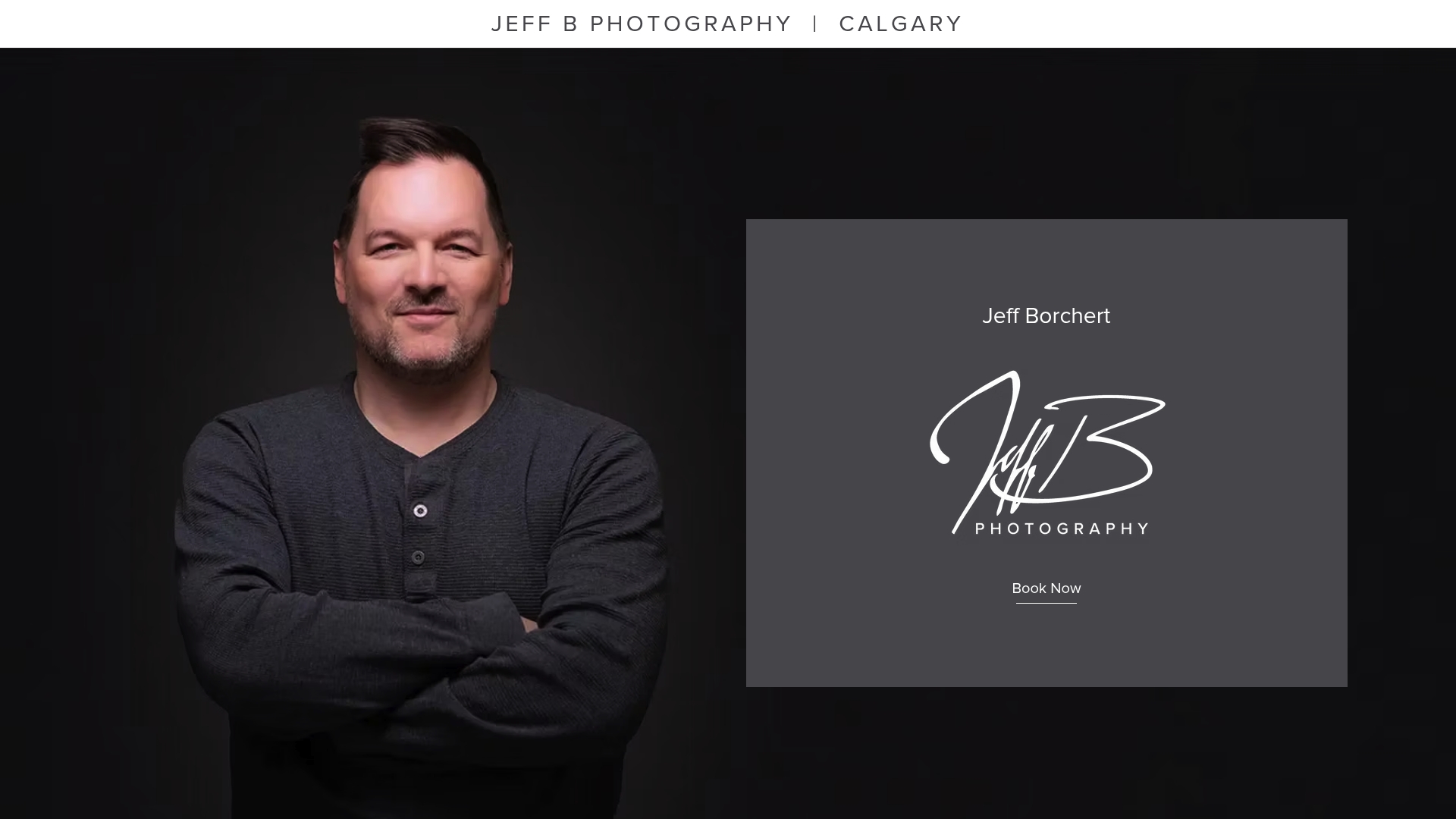
Jeff brings expert lighting, guided posing, and a relaxed, collaborative approach to every session in Calgary. You do not need to be a natural in front of the camera. That is what the process is for. Explore headshot session options and see what a well-crafted portrait can do for your professional presence. For teams and organisations, check out corporate headshot packages designed for consistent, on-location results. View Calgary photography pricing to find the right fit for your goals.
FAQ
What are the most important qualities of a great headshot?
The most important qualities are authentic expression, clean lighting, and a simple background that keeps focus on the subject. These three elements work together to create a photo that feels both professional and genuinely human.
How do I look natural and confident in a headshot?
Practise your expression before the session and use the squinch technique to convey confidence without looking tense. Building rapport with your photographer also helps you relax, which shows directly in your posture and eye contact.
What should I wear for a professional headshot?
Solid colours in navy, grey, or muted tones photograph best and keep attention on your face. Avoid busy patterns, logos, and clothing that feels uncomfortable or unfamiliar.
How does a headshot differ by industry?
Medical professionals benefit from a calm, trustworthy tone, while creatives can use more expressive wardrobe and environmental backgrounds. Executives typically need a balance of authority and approachability, achieved through classic attire and confident posing.
Is retouching a good idea for headshots?
Light, natural retouching is standard and helps present your best self without altering your appearance. Over-editing reduces credibility and can make a headshot feel disconnected from the real person.
Recommended
Comments