The role of professional photography for brands
TL;DR:
Professional photography plays a strategic role in building trust, consistency, and a compelling brand identity across all channels. It enhances engagement, influences consumer decisions, and creates assets that serve for years, making it a valuable long-term investment. Proper planning and choosing the right photographer—whether individual or corporate—are essential to produce authentic, effective images that reinforce your presence and credibility.
Most people assume professional photography is a nice-to-have. A polish you add once you’ve sorted out the “real” work of building a business or personal brand. That assumption is costing them. The role of professional photography is far more strategic than it looks — it shapes first impressions, reinforces trust, drives engagement, and tells your story before you say a single word. Whether you’re an individual building your professional presence or a company managing a full brand identity, what your photos communicate matters more than most people realise. This article breaks it all down practically.
Table of Contents
Key takeaways
Point | Details |
Photography builds trust fast | A professional headshot is one of the strongest trust signals on LinkedIn and professional websites. |
Planning determines quality | A creative brief and a detailed shot list are what separate a great photoshoot from a forgettable one. |
Corporate and individual hiring differ | Businesses prioritise consistency and reliability; individuals focus more on personal taste and connection. |
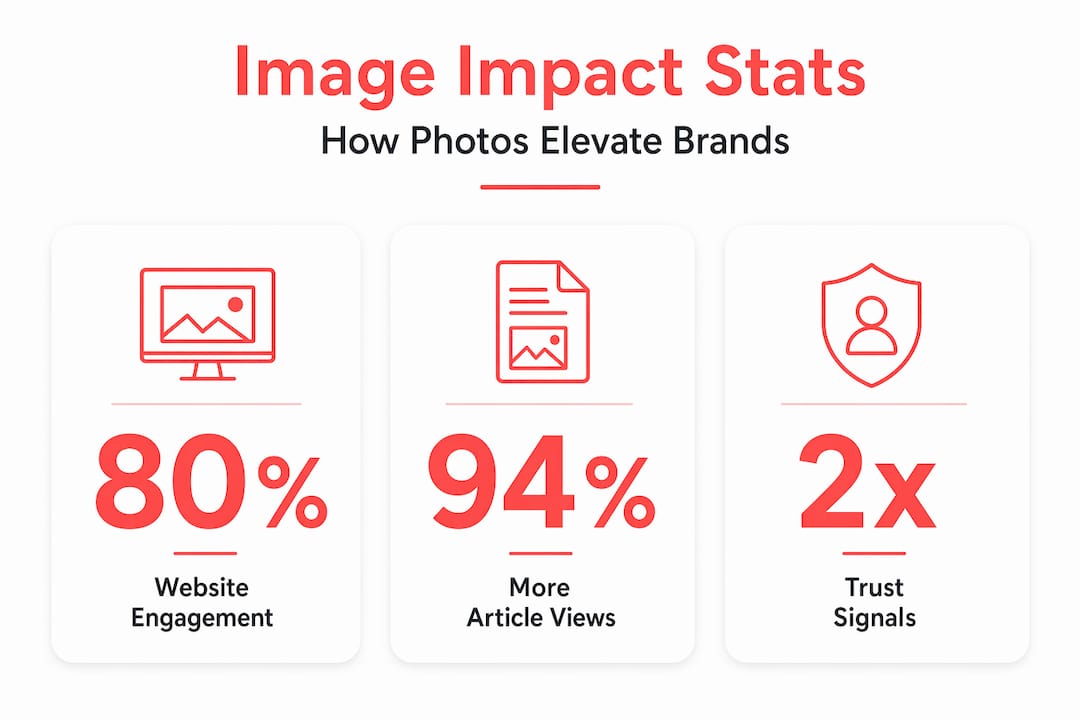
Photos drive marketing results | Articles with images receive 94% more views than those without. |
Investment, not expense | Strategic photography creates assets you’ll use for years across websites, events, and social channels. |
How professional photography shapes your brand identity
Commercial photography (the industry term that covers headshots, branding imagery, and corporate shoots) is the most direct expression of who you are before anyone reads your bio or visits your services page.
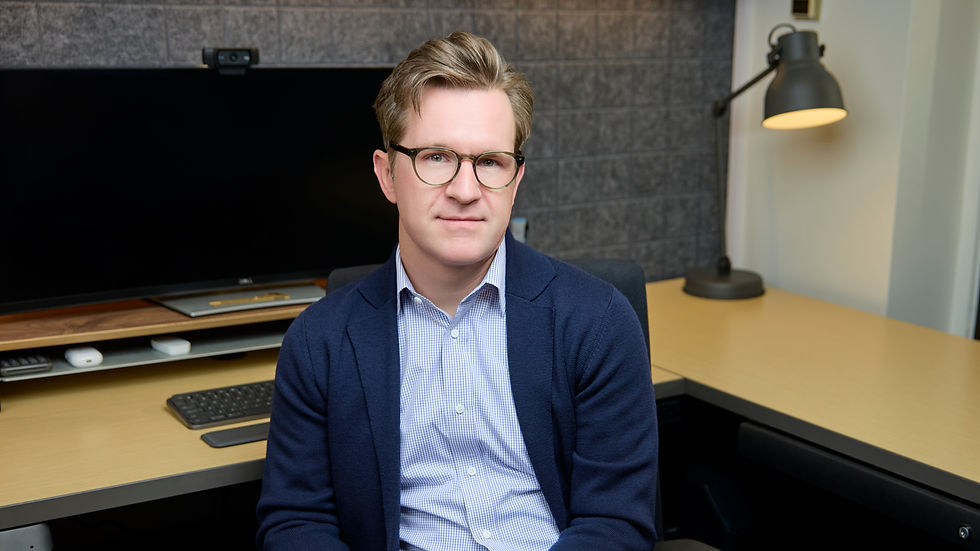
Think about it. When someone lands on your LinkedIn profile or company website, the image is the first thing they register. A blurry selfie or an awkward crop from a group photo sends a signal. Not a harsh one, but a real one. It says: this person hasn’t prioritised their presentation. A clean, well-lit headshot says the opposite.
Consistent imagery across platforms deepens emotional connection and strengthens brand recognition. It’s not vanity. It’s cohesion. When your LinkedIn profile, website bio, email signature, and speaker slides all feature the same confident, well-composed headshot, people recognise you faster. That recognition builds familiarity, and familiarity builds trust.
Here’s what professional photography communicates at a glance:
Approachability. Natural lighting and a relaxed pose signal that you’re a person, not a corporate mascot.
Competence. Clean composition and professional editing suggest attention to detail.
Consistency. Matched imagery across all channels reinforces a stable, reliable presence.
Values. Whether the setting is a polished studio or a candid on-location shot, it says something about how you work.
For businesses, this is even more pronounced. Brand consistency through photography directly affects how much a client trusts your team. Inconsistent headshots across a company website cause more brand friction than most marketing directors realise.
Pro Tip: Before any photoshoot, audit every platform where your photo appears. Note where the imagery is inconsistent or outdated. That audit becomes your shot list.
Planning a brand photoshoot for maximum impact
Here’s the part most people skip, and then wonder why they didn’t love the results. A photoshoot without a plan is just expensive guessing. The good news? A little preparation makes a massive difference.
A detailed shot list acts as insurance during a busy shoot, making sure no key image gets missed in the momentum of the session. Here’s how to build yours:
Write a creative brief. Summarise who you are, who your audience is, and what feeling you want the photos to create. Words like “warm and approachable” or “sharp and authoritative” go a long way in guiding a photographer before the session even starts.
Build a shot list by use case. Group shots by where they’ll live. Website hero images, LinkedIn profile photos, social content, event backdrops, and marketing materials all need different framing, aspect ratios, and energy.
Gather mood board references. Pull five to ten images you admire, not to copy, but to give your photographer a sense of your visual direction. Share them ahead of time.
Choose wardrobe intentionally. What you wear should harmonise with your brand colours and setting. Solids typically photograph better than busy patterns. Bring two or three options and decide with your photographer on the day.
Review shots in real time. If your photographer offers tethered shooting (where images display on a laptop as they’re taken), take advantage of it. You catch issues early rather than discovering them in post.
Cull strategically after the shoot. Don’t just pick your favourites based on how you look. Select images based on where they’ll be used and what story they tell in each context.
Pro Tip: If you’re booking a corporate group session, send the shot list to your team lead in advance. Everyone arriving prepared cuts session time dramatically and keeps energy up.
For a deeper walkthrough, the branding shoot guide from Itsjeffb covers 2026 planning steps in detail, including brief creation and location scouting.
Individual vs corporate photography hiring
Not all photography procurement looks the same, and understanding the difference saves you time, money, and headaches.
Individual hiring
When you hire a photographer for yourself, the process is relatively personal. You browse portfolios, pick someone whose style resonates, and arrange a session. Your main considerations are comfort, editing style, and price. The relationship is direct. You’re the sole decision-maker.
Corporate hiring
Companies hire headshot photographers based on delivery reliability, consistency, turnaround times, and contract terms, not artistic style alone. The process is more layered. Multiple stakeholders are involved, from marketing and HR to finance. There are budget approvals, brand guidelines to follow, and scheduling logistics across potentially dozens of employees.

Here’s a quick comparison:
Factor | Individual | Corporate |
Decision-maker | One person | Multiple stakeholders |
Primary focus | Personal taste and comfort | Consistency and brand alignment |
Contracting | Informal, often verbal | Formal contracts with licensing terms |
Deliverables | Personal use images | Branded, multi-use assets |
Scheduling | Flexible and personal | Coordinated across teams |
Risk tolerance | Higher (trust-based) | Lower (documentation required) |
For businesses, the key qualities to look for in a photographer go beyond a beautiful portfolio:
Clear licensing terms that allow commercial use across digital and print channels
Repeatable setups that produce matching results for every employee photographed
Reliable turnaround times that fit your production schedule
Experience with corporate photography workflows, including multi-stakeholder coordination and backup contingency planning
For individuals, the priority is fit. Does this photographer make you feel at ease? Do their samples reflect the kind of image you want to project? That connection matters more than credentials.
Professional photography across marketing and personal contexts
This is where the rubber meets the road. The importance of professional photography isn’t abstract. It shows up in measurable, practical ways across every channel you use.
On websites and in marketing materials
Professional photos can increase user interaction on a website by up to 80%. That’s not a minor lift. That’s the difference between someone scrolling past and someone staying, reading, and reaching out. The role of photos in marketing materials is equally direct: 67% of consumers say detailed images heavily influence their buying decisions.
Generic stock photos don’t carry that weight. Authentic imagery of real people, real spaces, and real products does.
On social media and in campaigns
Original branded photography outperforms stock consistently. Your audience can tell the difference between a real moment and a posed library image. Real photos generate higher engagement, more shares, and stronger brand recall.
At events
The role of event photos in marketing is easy to underestimate until you see how much mileage a single well-shot event generates. A conference, product launch, or team gathering, when properly documented, becomes social content, press assets, internal communications material, and proof of brand culture all at once. Itsjeffb’s event photography approach is built around capturing real moments and key people without disrupting the flow of what’s happening.
For personal professional image
A strong professional headshot is a career asset. It helps with networking, speaking opportunities, and first impressions in any context where someone will look you up before meeting you. And they will. A professional headshot conveys confidence and approachability in a way a casual photo simply cannot replicate.
My honest take on where people go wrong
I’ve worked with a lot of clients, and the pattern I see most often isn’t that people don’t care about their photography. It’s that they put it off until it’s urgent. A headshot gets updated right before a big speaking gig. A company finally books a brand shoot after losing a pitch where the competitor’s website looked more polished.
The uncomfortable truth? The businesses and individuals who treat photography as an ongoing, strategic investment rather than a one-time fix consistently show up better. Not because their photos are more glamorous. Because they’re current, consistent, and intentional.
What I’ve learned over years of working on corporate and individual shoots is this: the process matters as much as the product. A photographer who takes time to understand your goals, who sends you a brief to review, who guides you through wardrobe and setting choices, will produce images you actually use. The best portfolio in the world doesn’t help you if the working relationship is chaotic.
When people ask me how to choose a photographer, I always say: look at their process, not just their samples. Do they ask you questions before the session? Do they have a clear system for delivering files? Do they make you feel like a collaborator? That partnership is what turns a photoshoot into a real asset.
Photography isn’t an expense you justify once. It’s an investment you build on.
— Jeff
Ready to build a professional image that works for you?
At Itsjeffb, the focus is on photography that does something for you. Not just images you like, but images you’re proud to put everywhere.
[
Whether you’re an individual updating your LinkedIn and personal brand, or a company that needs consistent headshots across a full team, Itsjeffb’s approach is built around making the process easy and the results genuinely useful. Sessions are guided, efficient, and outcome-focused. Corporate clients get repeatable results with clear licensing and quick turnaround. Individuals get a stress-free experience that brings out their best on camera. If you’re ready to show up with confidence, explore professional photography services at Itsjeffb and find the right option for your situation.
FAQ
What is the role of professional photography in branding?
Professional photography gives your brand a consistent, trustworthy visual identity across all channels. Clean, authentic images build credibility faster than any written copy can.
How does professional photography help with marketing?
Images drive significantly higher engagement, with articles featuring photos receiving 94% more views. Professional photos in marketing materials also influence buying decisions for 67% of consumers.
What are the main benefits of hiring a photographer for a business?
A professional photographer delivers consistent, brand-aligned images that can be used across websites, social media, events, and internal communications, with proper licensing for commercial use.
How often should a business update its professional photos?
Most businesses benefit from refreshing headshots and brand imagery every one to two years, or whenever there is a significant team or brand change.
How is corporate photography hiring different from individual hiring?
Corporate hiring involves multiple stakeholders, formal contracts, and a focus on brand consistency across teams, while individual hiring is more personal and style-driven.
Recommended

Comments