What is personality in portraits: a photographer's guide
TL;DR:
Personality in portraits reveals a subject’s unique character through deliberate photographic choices and authentic connection. It is conveyed by visual cues like expression, posture, lighting, and environment, which reflect inner traits. Technical mastery, photographer presence, and artistic style together influence how genuine personality is captured and perceived.
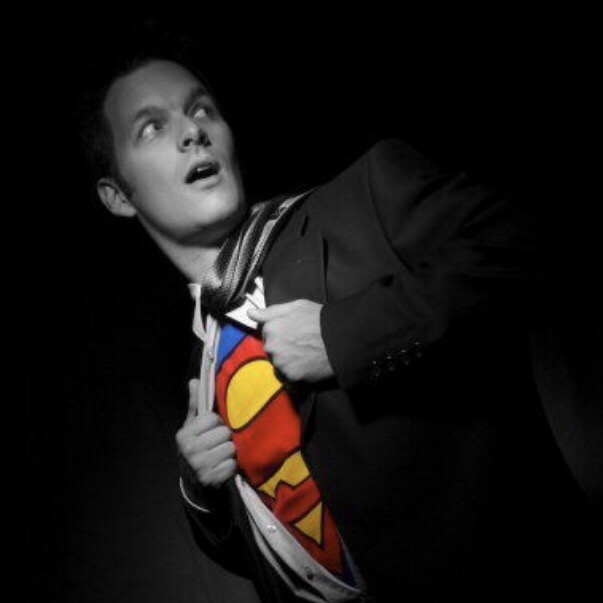
Personality in portraits is the visible expression of a subject’s unique character, presence, and inner life, made tangible through deliberate photographic choices. It is not simply what someone looks like. It is who they are, translated into light, posture, expression, and mood. Capturing personality traits in portraits requires both technical mastery and genuine human connection. The most memorable portraits, from Rembrandt’s brooding self-examinations to a candid corporate headshot on LinkedIn, succeed because the photographer understood that the camera records far more than a face. It records a moment of authentic presence.
What is personality in portraits and how is it visually recognised?
Personality in portraits is the sum of visual cues that communicate a subject’s character without a single word. Research confirms that multimodal visual cues from portraits significantly improve the accuracy of assessing personality traits compared to text alone, with traits like extraversion and openness strongly detected through photographic style and composition. This means a well-crafted portrait does not just show a face. It tells you something true about the person behind it.
Several visual elements carry the weight of character representation in art and photography:
Eye contact and gaze direction: A direct gaze signals confidence and openness. A slightly averted look can suggest introspection or mystery.
Facial expression: Micro-expressions around the eyes and mouth reveal emotional states that posed smiles cannot fake.
Posture and body language: A subject leaning slightly forward reads as engaged and warm. Pulled-back posture can read as reserved or guarded.
Lighting and shadow: Soft, diffused light suggests approachability. Dramatic side lighting adds depth and complexity.
Colour palette and mood: Warm tones evoke energy and friendliness. Cool, desaturated tones suggest calm, authority, or melancholy.
Ambiance and environment: A subject photographed in their own workspace or a meaningful setting adds layers of context that a plain backdrop cannot.
The concept of presence ties all of these together. Presence in a portrait is a state where the subject is fully oriented towards the viewer, creating magnetic attention. It is achieved not just by eye contact, but by conveying that the subject is genuinely here and now with the viewer. Portraits with strong presence attract and hold attention because they radiate authenticity and immediacy. Understanding personality through portraits starts with learning to read these signals.
What technical photography techniques best capture personality?
Technical choices are not separate from personality capture. They are the tools that either reveal or obscure who someone truly is. Getting these right is the difference between a forgettable photo and one that stops a scroll.
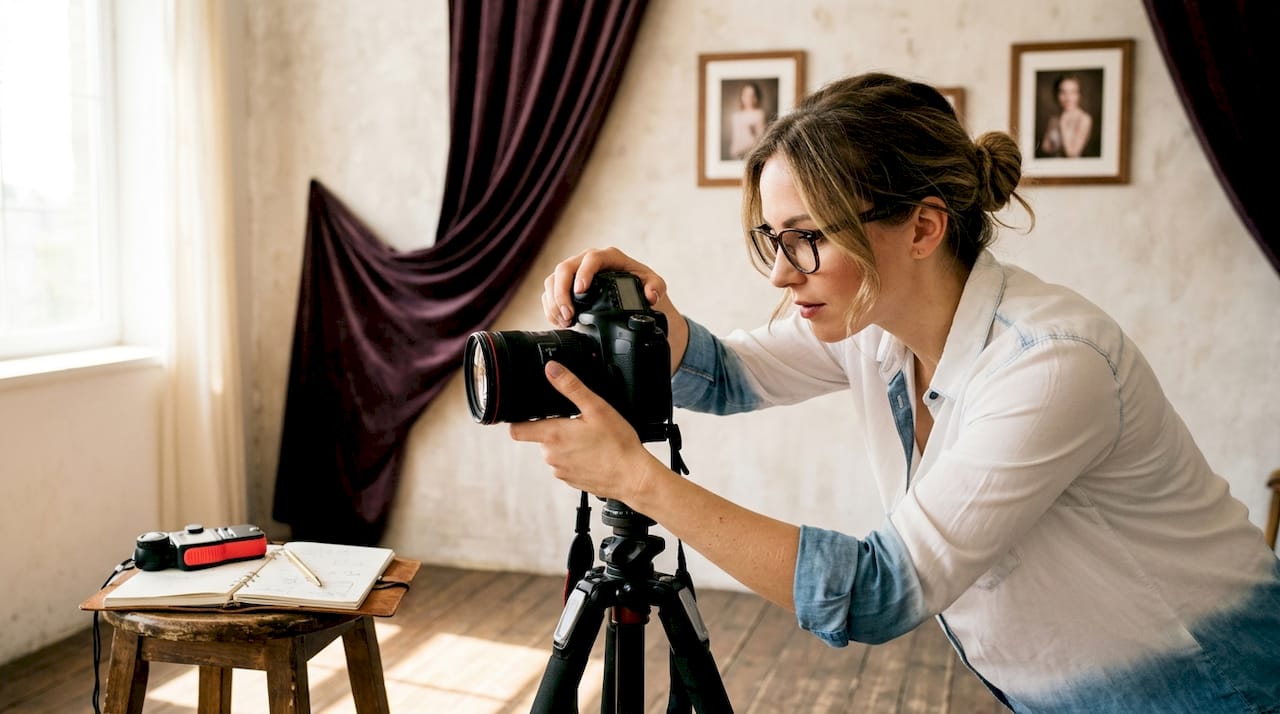
Use a wide aperture. Shooting at f/1.8 to f/2.8 separates the subject from the background, drawing the viewer’s eye directly to the face and its personality features. A cluttered background competes with the subject’s expression.
Keep the eyes razor sharp. Eyes are the primary carrier of personality in any portrait. Sharp focus on the near eye, combined with directional light that creates a catchlight, gives the subject life and presence on screen.
Use directional lighting intentionally. A single light source positioned at roughly 45 degrees to the face defines bone structure and adds dimension. Flat, frontal lighting flattens personality along with shadow.
Choose colour grading with purpose. Warm tones in post-processing reinforce energy, approachability, and warmth. Cooler, more neutral grades suggest professionalism and calm authority. Neither is wrong. Both are deliberate choices that shape how a viewer reads the subject’s character.
Preserve skin texture in post-processing. Over-smoothing skin destroys personality by removing the human identity markers that make a face real. Pores, fine lines, and texture are not flaws. They are evidence of a life lived.
Coach posture actively. Asking a subject to lean slightly forward, drop their shoulders, and tilt their chin down just a fraction produces a more natural, engaged appearance than any rigid pose.
Engage verbally throughout the shoot. Telling a genuine joke or asking a subject about something they love creates authentic smiles where personality emerges. The real moment arrives just after the laugh, when the eyes still crinkle but the mouth relaxes into something true.
Pro Tip: Your own emotional state matters more than you think. The photographer’s calm confidence transmits to the subject through mirror neurons. Walk into every session settled and unhurried, and your subject will follow your lead.
How do artistic styles influence personality portrayal in portraits?
Not all portraits aim for the same kind of personality expression, and the style a photographer or artist chooses shapes what personality traits come through. Comparing approaches reveals just how much artistic decision-making influences character representation in art.
Style | Approach | Personality traits emphasised |
Formal studio portrait | Controlled lighting, neutral backdrop, deliberate pose | Authority, professionalism, composure |
Candid or environmental portrait | Natural light, subject in their own space, unposed | Warmth, authenticity, relatability |
High-contrast dramatic portrait | Strong shadows, minimal fill light, tight crop | Intensity, complexity, resilience |
Painterly or soft-focus style | Diffused light, muted palette, shallow depth | Sensitivity, introspection, artistry |
Rembrandt’s self-portraits are the most studied example of artistic expression of personality in Western art. Research into his self-portraits shows that stylistic elements like contrast and colour correlate directly to psychological states and personality depth, with his later works showing greater complexity and resilience through darker, richer tones. He was not just documenting his face. He was mapping his inner life across decades.
Contemporary portrait photographers work with the same principles, even if the medium has changed. A photographer who shoots exclusively in warm, natural light with wide apertures is making a statement about the kind of personality they want to surface: open, human, approachable. A photographer drawn to high-contrast black and white is reaching for something more elemental. Neither approach is neutral.
The photographer’s interaction style also shapes what the subject brings to the frame. Edward Steichen observed that a portrait is made on either side of the camera, meaning the relationship between photographer and subject is as much a part of the final image as any technical setting. A subject who trusts their photographer will open up in ways that no lighting rig can manufacture. You can read more about building that kind of session environment in this portrait of person guide from Itsjeffb.
What practical steps help photographers depict personality effectively?
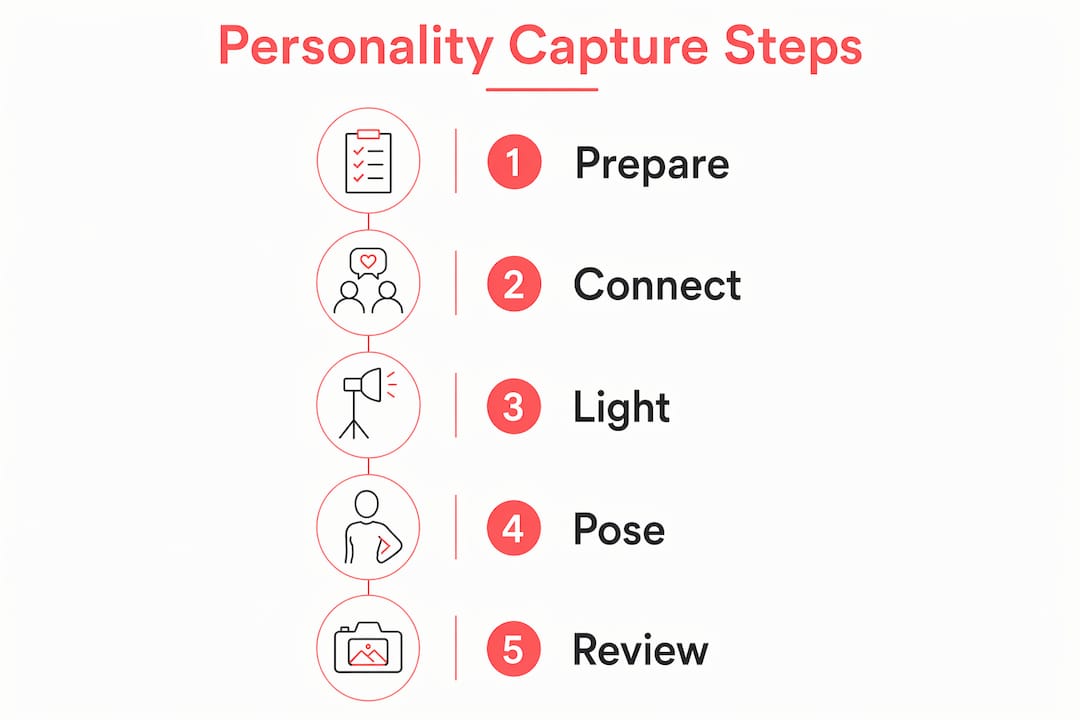
Knowing the theory is one thing. Putting it into practice in a real session is another. Here is where preparation and interpersonal skill matter as much as camera settings.
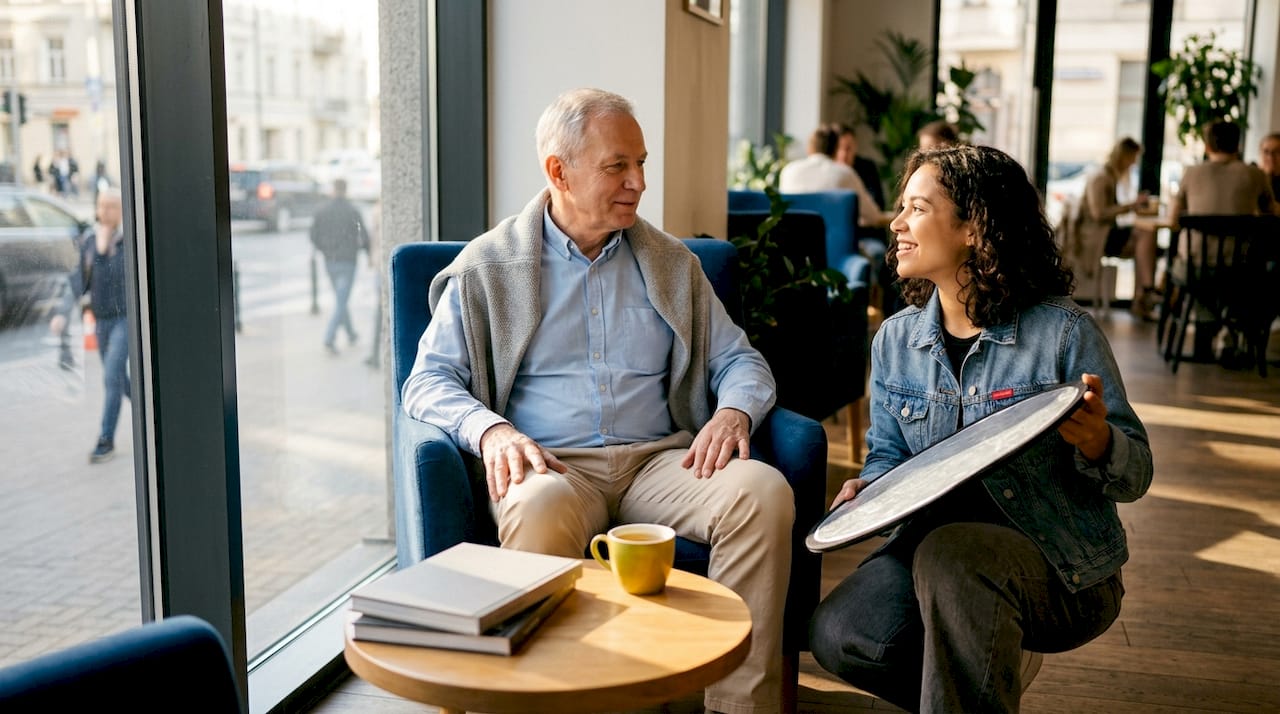
Create a comfortable environment before the camera comes out. Offer a brief tour of the space, explain what you are going to do, and have a genuine conversation. Subjects who feel at ease arrive at the camera already relaxed.
Set the mood with music or ambient sound. A playlist that matches the energy you want in the portraits (upbeat for a vibrant brand, calm for a thoughtful professional) subtly shifts how the subject carries themselves.
Avoid forcing poses or expressions. Photographers should create an environment that invites subjects to show their natural mood and disposition, rather than directing them into shapes that feel foreign to their personality.
Shoot more frames around the “official” moments. The shot just before and just after a directed pose often contains the most genuine personality. Keep the shutter moving.
Resist the urge to over-retouch. Smooth, glowing skin that looks nothing like the actual person is a personality eraser. Light retouching that removes temporary blemishes while preserving texture keeps the subject recognisable and real.
Draw on inspiration from established portrait photographers. Studying the work of photographers like Annie Leibovitz or Yousuf Karsh reveals how deliberate every element of a personality-rich portrait truly is.
Pro Tip: Review a few frames together with your subject mid-session. Seeing themselves looking natural and confident on the back of the camera is one of the fastest ways to dissolve self-consciousness and unlock genuine personality in the remaining shots.
For a deeper look at the technical side of all of this, the guide to taking portraits like a pro from Itsjeffb covers camera settings and session flow in practical detail.
Key takeaways
Personality in portraits is captured through the deliberate combination of technical photography choices, interpersonal connection, and artistic style decisions that together reveal who a subject truly is.
Point | Details |
Personality is visual and readable | Traits like extraversion and warmth are accurately detected through photographic style, composition, and expression. |
Technical settings shape personality capture | Wide aperture, sharp eye focus, directional lighting, and preserved skin texture all directly influence how personality reads in a final image. |
Photographer presence matters | A calm, confident photographer transmits ease to the subject, producing more authentic and personality-rich expressions. |
Artistic style is a personality choice | From Rembrandt’s contrast-heavy self-portraits to candid environmental shots, every style decision emphasises different character traits. |
Authenticity beats perfection | Genuine moments just after laughter, preserved texture, and natural posture consistently outperform forced poses and heavy retouching. |
What I have learned about capturing personality in portraits
I will be honest with you: the technical side of portrait photography is the easy part. You can learn aperture and lighting in an afternoon. Learning how to make a stranger feel genuinely comfortable in front of a camera takes considerably longer, and it is the skill that actually determines whether a portrait has personality or not.
Early in my career, I spent a lot of energy on the gear and the settings. I thought a sharp image with good light was the goal. What I kept missing was the moment just after the subject stopped thinking about the camera. That is where the real portrait lives. The slightly raised eyebrow, the half-smile that is entirely their own, the way someone’s shoulders drop when they forget they are being photographed. You cannot manufacture those moments. You can only create the conditions for them.
The insight that changed everything for me was realising that my own energy in the room sets the ceiling for what the subject can give. If I am rushed or uncertain, the subject feels it immediately. If I am settled, curious about them as a person, and genuinely enjoying the process, that comes through in every frame. It is not mystical. It is just human.
I have also learned to stop apologising for keeping skin texture in my edits. Clients sometimes ask for more smoothing, and I always have a conversation about why a little texture is actually what makes them look like themselves rather than a stock photo. Most of the time, once they see the comparison, they agree.
If you are starting out, my strongest advice is this: put the camera down for the first five minutes of every session. Just talk. Ask about their work, their weekend, something they are proud of. By the time you pick the camera back up, you are no longer a stranger, and that changes everything.
— Jeff
Bring your personality to life with Itsjeffb
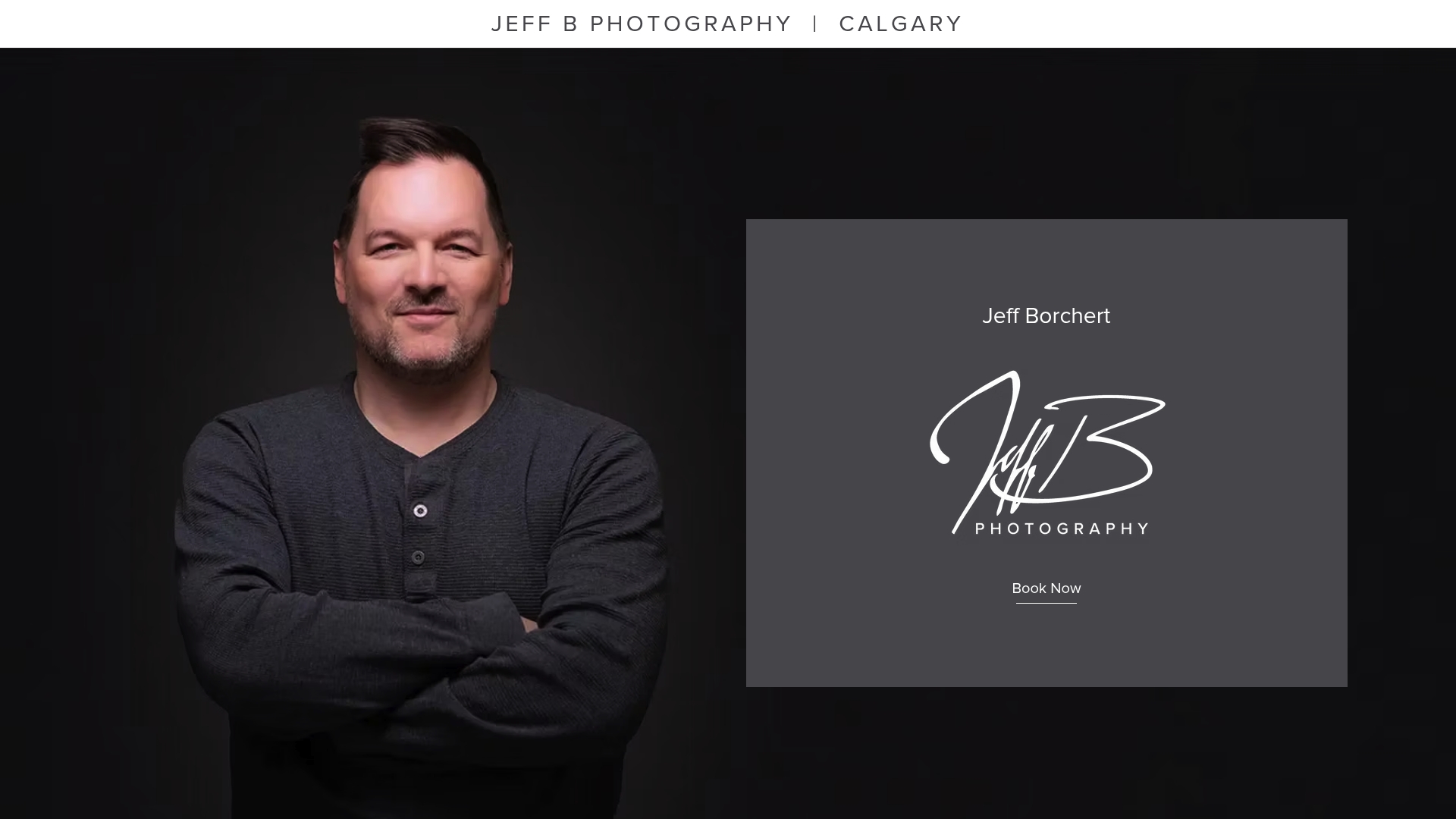
If you are ready to see what a portrait session designed around you actually feels like, Itsjeffb is worth a look. Based in Calgary, Jeff B Photography builds every session around creating a relaxed, guided experience where genuine personality comes through naturally, whether that is a personal headshot for LinkedIn, a full team shoot at your office, or a family portrait that actually gets framed and displayed.
[
Sessions are stress-free by design, especially for people who do not love being in front of the camera. Jeff handles the direction, the lighting, and the conversation so you can just show up and be yourself. Check out the photography session pricing to find the right fit, or explore Calgary headshot options if you are looking for a professional image that actually looks like you.
FAQ
What does personality mean in portrait photography?
Personality in portrait photography is the visible expression of a subject’s unique character, conveyed through expression, posture, lighting, colour, and the interpersonal dynamic between photographer and subject. It is what makes a portrait feel like a specific person rather than a generic face.
How do photographers capture genuine personality in portraits?
Photographers capture genuine personality by creating a relaxed session environment, using verbal engagement like humour and conversation to elicit authentic expressions, and shooting through directed moments to catch the natural reactions that follow. Technical choices like wide aperture and preserved skin texture support authenticity in the final image.
Why does lighting matter for showing personality in portraits?
Directional lighting defines facial structure and adds dimension, which allows personality traits like strength, warmth, or introspection to read clearly in a portrait. Flat frontal lighting removes shadow and depth, which tends to flatten the subject’s character along with it.
Can artistic style change how personality comes across in a portrait?
Artistic style directly shapes which personality traits are emphasised. High-contrast, dramatic lighting suggests intensity and resilience, while soft, warm, natural-light portraits emphasise approachability and warmth. Rembrandt’s self-portraits are a well-documented example of how contrast and colour choices map directly to psychological depth and personality.
What is the biggest mistake photographers make when trying to show personality?
The most common mistake is over-directing the subject into poses and expressions that do not belong to them, combined with heavy retouching that removes the texture and individuality that make a face recognisable. Both choices prioritise a polished look over an authentic one, and the result is a portrait that looks good but feels like nobody in particular.
Recommended

Comments