Best Studio Photos: Techniques for Professional Results
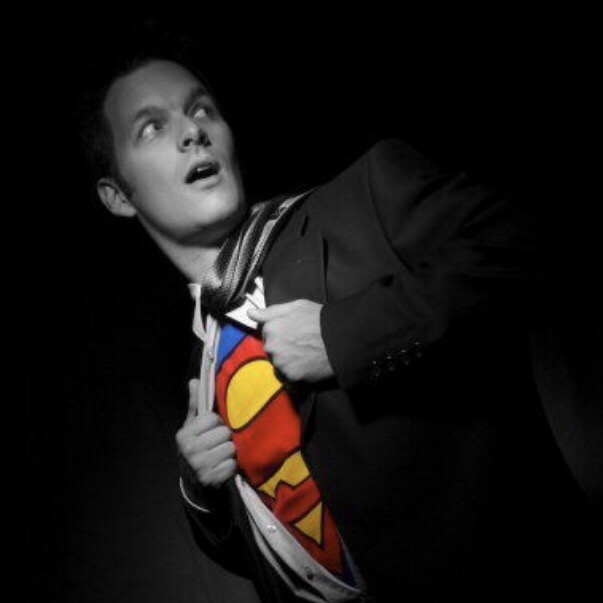
Creating the best studio photos requires more than just expensive equipment and a clean background. Whether you're shooting corporate headshots, family portraits, or building a model portfolio, mastering controlled lighting and understanding how to direct your subjects makes all the difference. Studio photography gives you complete creative control, but that freedom means you need to know exactly what you're doing with every light, modifier, and camera setting.
Why Studio Photography Demands Different Skills
Studio work is a completely different beast than outdoor sessions.
You're not relying on golden hour or hoping the clouds cooperate. Instead, you're building light from scratch. Every shadow, highlight, and catchlight is your responsibility. That control is powerful, but it also means there's nowhere to hide when something looks off.
The best studio photos come from photographers who understand three-point lighting as a foundation, then know when to break those rules. You're working with:
Key light for primary illumination
Fill light to control shadow depth
Rim or hair light to separate subjects from backgrounds
Background lights for additional depth and dimension
Your space matters too. A dedicated studio with ceiling height, light control, and enough room to shoot at various focal lengths makes everything easier. But you can create the best studio photos in smaller spaces if you understand inverse square law and how to maximize what you've got.
Lighting Techniques That Separate Good from Great
Generic lighting creates generic photos.
The Headshot Sessions I photograph in Calgary rely on specific lighting patterns that flatter different face shapes and achieve different moods. Rembrandt lighting creates that classic triangle of light under the eye. Butterfly lighting elongates faces and minimizes texture. Loop lighting works for almost everyone.
Common Studio Lighting Patterns
Pattern | Key Light Position | Best For | Mood |
Rembrandt | 45° high and to side | Character, drama | Thoughtful, serious |
Butterfly | Directly in front, high | Beauty, glamour | Polished, elegant |
Loop | Slight angle, medium height | Corporate, general | Professional, approachable |
Split | 90° to side | Edge, drama | Bold, artistic |
Study these patterns, but don't get religious about them. The best studio photos often blend techniques or modify them based on what the subject needs. Someone with deeper-set eyes might need the key light slightly lower. Someone with a prominent nose might benefit from more frontal lighting.
Calgary Event Photography taught me that even in controlled environments, you need backup plans. Your main light can fail. Your modifier can break. Having redundant systems and knowing how to achieve similar looks with different tools keeps you working when Murphy's Law strikes.
The Colbor guide to studio photography lighting covers seven essential techniques that every studio photographer should master before experimenting with more creative approaches.
Equipment That Actually Matters
You don't need the most expensive gear to create the best studio photos.
But you do need reliable equipment that gives you consistent results. I've shot thousands of headshots, and here's what actually matters:
Lighting:
Two or three quality strobes (200-400 watt-seconds each)
Variety of modifiers (softbox, beauty dish, umbrella, grid)
Light meter for precision
Backup flash or continuous light
Camera Gear:
Full-frame or crop sensor with good dynamic range
85mm f/1.8 or better portrait lens
70-200mm f/2.8 for versatility
Tethering cable and laptop for client review
Studio Essentials:
Seamless paper or fabric backgrounds
Sturdy stands and sandbags
C-stands for flags and reflectors
Comfortable seating for subjects between setups
The camera body matters less than you'd think. I've created the best studio photos on both entry-level and professional cameras. Lighting quality, lens sharpness, and your ability to direct subjects matter far more.
The Branding Sessions I do for Calgary businesses require versatile setups. Sometimes we're shooting tight headshots, then pulling back for environmental portraits showing someone in their workspace. That flexibility comes from having the right focal lengths and enough light power to cover different working distances.
Posing and Direction Make or Break Studio Work
Technical perfection means nothing if your subject looks uncomfortable.
The best studio photos capture genuine expressions and natural body language, even in an artificial environment. That's entirely about direction, not equipment.
The Direction Process
Start with conversation before touching the camera
Demonstrate poses rather than just describing them
Give specific adjustments (chin forward, shift weight, relax shoulders)
Shoot continuously while directing to catch between-pose moments
Show progress on the tethered screen to build confidence
The Family Sessions taught me that different subjects need completely different approaches. Kids respond to games and energy. Corporate executives want efficiency and confidence. Graduating seniors need encouragement and validation.
Your studio setup should support natural posing. A stool gives subjects something to do with their hands and helps posture. A chair with arms provides anchoring points. Even just having them hold something relevant to their profession or interests creates more natural body language than "stand there and smile."
Background Selection and Use
White seamless isn't always the answer.
The best studio photos use backgrounds that support the subject and the photo's purpose. The Modeling Sessions might benefit from textured backdrops or colored gels. Corporate headshots usually work best with clean, simple backgrounds that don't distract.
Your background choices include:
Seamless paper in various colors (white, gray, black most common)
Muslin or canvas for texture and dimension
Portable backdrops with patterns or gradients
Environmental studio using actual space as background
How you light the background matters as much as the background itself. You can make a gray background appear anywhere from white to black by adjusting the background light intensity. A single seamless gives you incredible versatility if you understand this principle.
For The Kiddo Sessions, I often use slightly warmer, softer backgrounds. Kids photograph better in environments that don't feel too formal or clinical. That same background wouldn't work for a law firm's executive headshots.
Camera Settings for Studio Success
Studio photography gives you complete control over your settings.
Unlike outdoor work where you're constantly adjusting for changing light, studio settings stay relatively consistent once you've dialed them in. The best studio photos come from photographers who understand the relationship between aperture, shutter speed, ISO, and flash sync.
Typical Studio Settings:
ISO 100-200 (clean, low noise)
Aperture f/8-f/11 for headshots (sharp, good depth)
Aperture f/2.8-f/5.6 for creative portraits (background blur)
Shutter 1/160-1/200 (below flash sync speed)
Your shutter speed in studio work controls ambient light, not subject motion (the flash freezes that). If you want a completely black background with only your flash illuminating the subject, use your normal sync speed and kill all ambient sources.
The photography branding resources I've shared on my blog go deeper into how different technical choices affect the final image style and how that aligns with different brand personalities.
White balance stays locked to flash (usually 5500K). Shoot RAW so you have flexibility in post-processing. And tether your camera to a laptop whenever possible during client sessions. Seeing images large immediately catches issues while the subject is still in front of you.
Post-Processing Studio Images
The best studio photos require intentional editing.
But "intentional" doesn't mean heavy-handed. Studio work should need less fixing than outdoor photography since you controlled everything from the start. Your post-processing workflow should enhance what you captured, not rescue what went wrong.
Essential Editing Steps
Exposure and white balance adjustments
Skin retouching (blemishes, not features)
Color grading to match brand or style
Sharpening appropriate to output use
Export optimization for web, print, or social
I process commercial headshots differently than creative portraits. The Grad Sessions might get more creative color grading and artistic treatment. Corporate headshots stay natural with subtle enhancements.
Before the digital era, photographers used darkroom manipulation techniques to dodge, burn, and enhance their prints. Modern Lightroom and Photoshop tools do the same things, just faster and more precisely.
Consistency matters when delivering multiple images from the same session. Create presets or profiles that give you a solid starting point, then refine individual images as needed. Clients notice when image 15 looks completely different from image 3 for no good reason.
When you're ready to invest in professional studio photography for your business or personal brand, working with an experienced photographer makes all the difference. We offer several Individual Headshots Packages designed for solo professionals and small groups, with options for different session lengths and delivery needs.
Creative Studio Photography Ideas
Once you've mastered the fundamentals, it's time to experiment.
The best studio photos often come from pushing boundaries and trying techniques that aren't standard. You've got complete control over every element, so use that to create something distinctive.
Tag Venue's studio photography ideas showcase 16 creative concepts ranging from dramatic lighting setups to thematic approaches that make images memorable rather than generic.
Creative Techniques to Try:
Colored gels on background or rim lights for mood
Multiple exposures for creative composite effects
Intentional motion blur for dynamic energy
High-key white for clean, modern aesthetic
Low-key black for drama and mystery
Reflective surfaces for abstract compositions
For commercial work, creative techniques need to serve the client's goals. A law firm probably doesn't want experimental color grading on their team headshots. But a creative agency might love exactly that approach for their brand photography.
The magazine-quality studio setup tips provide practical guidance on achieving professional results that stand up to editorial standards, which translates directly to commercial photography needs.
Common Studio Photography Mistakes
Even experienced photographers fall into bad habits.
The best studio photos come from photographers who recognize these common mistakes and actively work to avoid them:
Mistake | Why It Happens | How to Fix |
Flat lighting | Fear of shadows | Embrace dimension and depth |
Over-retouching | Trying to fix everything | Get it right in camera |
Inconsistent results | Not measuring light | Use a light meter religiously |
Poor communication | Assuming subjects know what to do | Direct clearly and demonstrate |
Rushed sessions | Overbooking or poor planning | Allow adequate time per subject |
I've made every one of these mistakes. The studio environment creates pressure to work quickly and efficiently, especially with commercial clients billing by the hour. But rushing creates more problems than it solves.
Understanding commercial headshots means recognizing that these images represent someone's professional identity. Getting them right matters more than getting them done fast.
Building Your Studio Photography Business
Technical skills are just the start.
The best studio photos come from photographers who also understand business, marketing, and client service. You need bookings to make those photos in the first place.
Your studio presence should reflect your photography quality. Clean, organized space. Professional client experience. Clear pricing and packages. Easy booking process. Prompt delivery.
Marketing studio services works differently than outdoor photography. You're selling:
Consistency (controlled results every time)
Efficiency (no weather delays)
Privacy (no public locations)
Professionalism (dedicated space)
Versatility (multiple setups available)
The photography tips for beginners provided by Love Studios cover essential skills from studio to street photography, helping newer photographers build comprehensive capabilities.
Studio work in Calgary means competing with other professional photographers and convincing clients why they need professional images instead of smartphone selfies. That comes down to demonstrating value and showing the difference quality makes in their professional branding.
Adapting Studio Techniques for Different Subjects
Corporate executives need different treatment than high school seniors.
The best studio photos match lighting, posing, and mood to the subject and purpose. What works brilliantly for one situation fails miserably for another.
Studio Approaches by Subject Type:
Corporate professionals: Clean, confident, approachable lighting
Graduating seniors: Creative, energetic, personality-focused
Families with kids: Warm, relaxed, interactive setups
Models and actors: Versatile range showing different looks
Personal branding: Aligned with individual style and industry
The unique photography approach matters more in 2026 than ever before. Everyone has a camera. Everyone has decent lighting. What separates professional studio work is the ability to see what makes each subject unique and capture that authentically.
When I photograph events versus studio sessions, the fundamental photography skills overlap, but the application differs completely. Event photography requires adaptability and quick thinking. Studio work rewards careful planning and precise execution.
Technical Resources for Improvement
Never stop learning.
The best studio photos come from photographers who continuously refine their craft through education, practice, and study. You can always get better at lighting, posing, technical execution, and client interaction.
Tech Cloud's studio photoshoot ideas offer ten unique concepts for captivating studio sessions that emphasize creative storytelling beyond standard portrait approaches.
Resources worth exploring:
Online courses in advanced lighting techniques
Behind-the-scenes videos showing professional workflows
Industry publications covering trends and techniques
Lighting diagrams breaking down complex setups
Mentorship programs with established studio photographers
The Chartley Photos studio photography guide provides comprehensive tips on mastering studio work, from basic lighting setups through advanced composition strategies.
Practice matters more than theory. Set up your lights and shoot test sessions. Try different modifier combinations. Experiment with power ratios. Push yourself beyond comfortable, familiar setups.
The Business Side of Studio Photography
Great photos don't pay bills if nobody books you.
The best studio photos need marketing, sales, and business systems behind them. You're running a business that happens to create images, not just an artist who occasionally accepts money.
Your business foundation includes:
Clear service offerings and pricing structure
Professional contracts protecting both parties
Efficient scheduling and booking systems
Consistent delivery timelines and methods
Follow-up processes for reviews and referrals
When clients book The Headshot Sessions or The Branding Sessions, they're evaluating your entire experience, not just photo quality. How easy was it to book? Did you answer questions promptly? Was the session comfortable? Did you deliver when promised?
Building a sustainable studio photography business in Calgary means understanding your local market, competitive positioning, and what makes your work valuable to clients. It's not about being the cheapest. It's about being the best fit for clients who value quality.
Creating the best studio photos combines technical mastery with artistic vision and people skills. The controlled environment gives you creative freedom, but that freedom demands knowledge and intentionality in every decision. Whether you're shooting corporate headshots, family portraits, or creative sessions, the fundamentals of great lighting, thoughtful direction, and authentic connection remain constant. If you're ready to invest in professional studio photography that captures your unique personality or brand identity, Jeff B Photography specializes in creating distinctive images for businesses and families throughout Calgary.

Comments