What Should I Expect from a Portfolio Photoshoot?
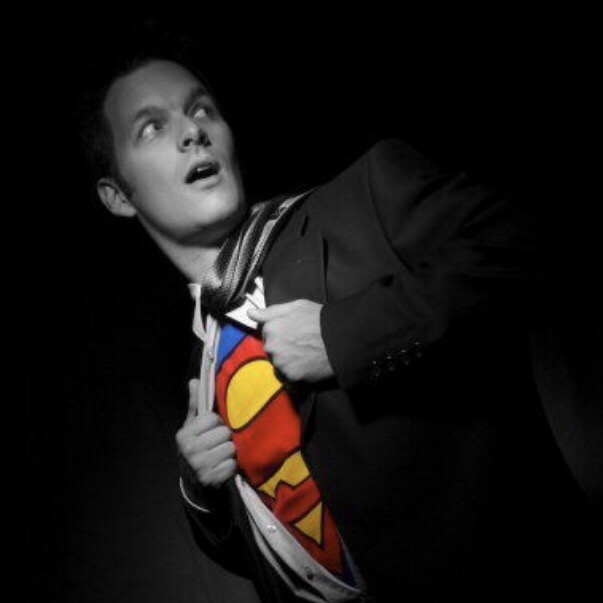
A portfolio photoshoot is more than just taking pretty pictures. It's your chance to build a visual resume that shows exactly what you can do, whether you're a model breaking into the industry, an entrepreneur building your brand, or a professional updating your image. The right portfolio captures your personality, versatility, and professionalism all in one place. But if you've never done one before, you probably have questions about what happens, how to prepare, and what you'll walk away with.
Understanding the Purpose of Your Portfolio Photoshoot
Before you book anything, get clear on why you need these images. Different goals require different approaches.
Models and aspiring talent need variety. Your portfolio should demonstrate range across different looks, expressions, and styles. Agencies and casting directors want to see how you photograph in natural light versus studio setups, how you handle different wardrobes, and whether you can shift between commercial and editorial looks.
Business professionals and entrepreneurs need consistency. Your images should align with your brand identity and the message you're sending to clients. The Branding Sessions focus on creating cohesive visual content that works across your website, social media, and marketing materials.
Recent graduates and young professionals often need something in between. You want images that feel professional but authentic, polished but approachable. The Grad Sessions strike that balance for students entering the workforce.
Think about where these images will live. Instagram requires different compositions than LinkedIn. Print portfolios need high resolution files, while website galleries prioritize loading speed alongside quality.
Pre-Shoot Preparation Makes Everything Easier
The work starts before you step in front of the camera. Proper preparation separates amateur results from professional ones.
Wardrobe Selection
Bring more options than you think you'll need. Plan for:
3-5 complete outfits minimum for a full session
Variety in necklines, colors, and styles to show versatility
Solid colors and simple patterns that won't distract from your face
Clothes that fit properly (not too tight, not too loose)
Backup shoes and accessories to change up looks quickly
Avoid logos, busy patterns, or anything dated. Your portfolio should feel timeless, not tied to 2026 fashion trends that'll look stale in six months.
Grooming and Styling
Professional styling matters. Schedule your haircut or color treatment a week before the shoot, not the day before. This gives you time to adjust if something goes wrong.
For makeup, keep it natural unless you're specifically shooting editorial or high-fashion looks. Men should be clean-shaven or have well-groomed facial hair. Everyone should moisturize and get adequate sleep the night before.
Bring touch-up supplies: powder for shine, lip balm, a comb or brush, and whatever you need to maintain your look throughout the session.
Mental Preparation
Nerves are normal. Even experienced models feel them. The difference is knowing how to channel that energy.
Practice posing techniques in front of a mirror. Get comfortable with how your body looks from different angles. Learn your good side (everyone has one), but also practice working both sides.
Create a mood board or Pinterest collection of images you like. This gives your photographer visual references for what you're hoping to achieve.
What Happens During the Session
Understanding the flow helps you relax and perform better in front of the camera.
Initial Consultation and Setup
Most portfolio shoots start with a conversation. Your photographer will review your goals, discuss the shot list, and potentially make suggestions based on their experience with commercial photography.
You'll do wardrobe and location checks. If you're shooting in a studio, expect to see lighting setups being adjusted. If you're working on location, you might walk through different spots to plan your shots.
This is when you ask questions. Want to understand why certain lights are positioned where they are? Curious about camera settings? Most photographers are happy to explain their process.
The Shooting Process
A professional portfolio photoshoot follows a structure:
Start with easier shots to build confidence
Warm up with natural expressions before pushing into more challenging poses
Work through outfit changes systematically
Experiment with different angles and lighting for each look
Review and adjust based on what's working
Expect direction. Good photographers communicate clearly about where to look, how to position your hands, and when to shift your weight. Don't take this personally. They're coaching you to look your best.
Breaks matter. Staying tense for two hours straight shows in your face. Take water breaks, check your appearance, and reset mentally between setups.
Technical Considerations
Modern portfolio photoshoots balance technical quality with creative vision. Your photographer should be thinking about:
Element | Why It Matters |
Lighting quality | Creates dimension and mood |
Background selection | Keeps focus on you |
Lens choice | Affects facial proportions |
Color grading | Ensures consistency across images |
File resolution | Determines print and digital usage |
You don't need to understand all the technical details, but knowing they're being considered helps you trust the process.
Getting the Right Variety in Your Shots
A strong portfolio shows range without looking scattered. Think of it as chapters in the same book, not random pages from different stories.
Balancing Expressions and Moods
You need more than one facial expression. Practice these variations:
Genuine smile (engage your eyes, not just your mouth)
Subtle smile or slight smirk
Serious or contemplative look
Confident, direct gaze
Relaxed, approachable expression
The photography portfolio tips from All Art Schools emphasize showing your versatility while maintaining a cohesive style. This applies to both photographers building their portfolios and clients building theirs.
Mixing Up Angles and Compositions
Static, head-on shots get boring fast. Your photographer should capture:
Close-up headshots for detail and connection
Three-quarter shots from chest up showing some body language
Full-body images demonstrating proportions and movement
Environmental shots placing you in context
Both horizontal and vertical orientations for different uses
Displaying various angles and aspect ratios keeps your portfolio visually interesting and shows you can work in different contexts.
Location and Background Diversity
If your shoot includes multiple setups, think about contrast:
Studio with clean backgrounds versus outdoor natural settings
Modern urban environments versus classic or neutral spaces
Bright, airy locations versus moodier, dramatic ones
For commercial work like The Headshot Sessions, you might focus on professional environments that clients expect. For modeling portfolios, you'd push for more creative variety.
Working Effectively with Your Photographer
This is a collaboration, not a transaction. The better you communicate, the better your results.
Communication is Everything
Speak up if something feels wrong. Uncomfortable physically? Say so immediately. Not understanding a direction? Ask for clarification. Worried about how something looks? Your photographer can show you test shots.
Good photographers want you to succeed. They're not judging you. They're problem-solving with you to create the best possible images.
Share your vision but stay open to suggestions. You might have specific ideas, but your photographer brings experience from hundreds of sessions. When they suggest trying something different, there's usually a good reason.
Understanding the Creative Process
Photography isn't instant. Even in the digital age, creating portfolio-quality images takes time.
Between shots, your photographer might be:
Adjusting lighting ratios
Changing camera settings for different looks
Reviewing composition on the back of the camera
Consulting their shot list to ensure nothing's missed
Repositioning you for better angles
These pauses are normal. They're not wasting time. They're ensuring quality.
Building Confidence on Camera
Most people feel awkward at first. That's fine. Movement helps more than freezing in position.
Professional posing guides emphasize dynamic positioning over static poses. Shift your weight, move your hands, turn your head. Your photographer will capture the right moments within that movement.
Think about emotions or scenarios that feel natural. Imagine you're greeting a friend, remembering something funny, or focused on a task you enjoy. Real thoughts create real expressions.
After the Shoot: Selection and Delivery
The session is over, but the process isn't finished yet.
Image Review and Selection
Professional photographers shoot more images than they deliver. This is intentional. It allows them to capture multiple variations and choose the absolute best ones.
You'll typically receive a gallery of edited proofs to review. This might be 30-50 images from a session that captured 200-300. The photographer has already eliminated the obvious rejects: closed eyes, awkward expressions, technical problems.
Your job is choosing which images best represent you. Look for:
Sharp focus and good exposure (technical quality matters)
Natural expressions that feel authentic
Variety across the set (don't pick five images with identical poses)
Images that align with your goals (professional, creative, approachable, etc.)
Get feedback from people who know your industry. What works for The Modeling Sessions might not work for corporate headshots, and vice versa.
File Formats and Usage Rights
Understand what you're receiving:
File Type | Best For | Limitations |
High-res JPG | Print, professional use | Large file size |
Web-optimized JPG | Websites, social media | Lower resolution |
RAW files | Maximum editing flexibility | Requires processing software |
PDF portfolio | Easy sharing with agencies | Not suitable for individual use |
Clarify usage rights upfront. Can you use these images for commercial purposes? Are they exclusive to you, or can the photographer use them for marketing? Can you edit them yourself, or do changes need to go through the photographer?
Most professional sessions include commercial usage rights in the package, but always confirm in writing.
Making the Most of Your Investment
You've invested time and money into this portfolio photoshoot. Maximize the return by actually using these images.
Update your profiles immediately: LinkedIn, Instagram, your website, email signatures, business cards. Don't let new photos sit on a hard drive for months.
Print a few favorites. Physical portfolios still matter in some industries, and having prints on hand for networking events or interviews shows preparation.
Schedule a refresh before your images feel dated. Professional headshots need updating every 12-18 months. If you change your hair significantly, lose or gain weight, or shift your brand direction, don't wait.
If you're running a business, professional branding photography pays for itself quickly through improved conversion rates and client perception. Having custom images instead of stock photos builds trust and recognition.
Common Portfolio Photoshoot Mistakes to Avoid
Learn from others' errors instead of making them yourself.
Skipping the pre-shoot consultation. This conversation sets expectations and ensures everyone's on the same page. Planning a high-impact shoot requires alignment on goals, style, and deliverables.
Bringing wrinkled clothes. Iron everything the night before. Removing wrinkles in post-processing is possible but time-consuming and expensive. Plus, you can see the difference in how fabric drapes.
Over-editing your face before the shoot. Facetune and filters don't belong in professional portfolios. Your images need to look like you on your best day, not like someone else entirely. Clients and casting directors will meet you in person eventually.
Choosing quantity over quality. A portfolio with 10 exceptional images beats one with 50 mediocre shots. Strong portfolios start and end with your best work, with everything in between maintaining that standard.
Ignoring industry standards. Research what's expected in your field. Corporate headshots follow different conventions than fashion modeling portfolios. Creative entrepreneurs have more flexibility than lawyers or financial advisors.
Forgetting to practice. You wouldn't give a presentation without rehearsing. Don't show up to a photoshoot without practicing your expressions and poses.
Specialized Portfolio Needs
Different careers and industries have specific requirements.
Models and Actors
Your portfolio needs to show your range while staying true to your type. Include:
Clean, minimal makeup beauty shots
Commercial/lifestyle looks
Fashion editorial if that's your goal
Body shots that show proportions
Both smiling and serious expressions
Model portfolios require professional-level execution. Half measures don't work in this industry.
Business Professionals and Entrepreneurs
Your portfolio should reinforce your brand identity and expertise. Think about the message you're sending.
Lawyers, accountants, consultants: Traditional, trustworthy, competent. Clean backgrounds, professional attire, confident expressions.
Creative professionals, entrepreneurs, coaches: More personality and warmth. You can take more risks with color, location, and styling while maintaining professionalism.
Corporate executives: Polished and authoritative. These images often appear in press releases, conference materials, and board presentations. Quality standards are high.
Jeff B Photography's Individual Headshots Packages offer structured options for business professionals at various career stages, from individual sessions to team photography for growing companies. The approach balances professional standards with personal authenticity, ensuring your headshot reflects both your role and your personality.
Graduates and Young Professionals
You're at a transition point. Your portfolio should bridge student life and professional career.
Family graduation photos celebrate the achievement, but your professional portfolio is forward-looking. Include both traditional graduation portraits and modern professional headshots that work for job applications and LinkedIn.
Making Your Portfolio Work Harder
Static portfolios don't cut it anymore. Make yours dynamic and accessible.
Digital vs. Print Portfolios
Most industries now expect digital portfolios, but some situations still call for print.
Digital advantages:
Easy to update and customize
Instantly shareable via email or link
No printing costs
Better for showing large collections
Print advantages:
Makes an impression in face-to-face meetings
No technology required
Shows commitment and professionalism
Tactile experience creates stronger memory
Many professionals maintain both: a comprehensive digital portfolio online and a curated print version for important meetings.
Portfolio Organization and Presentation
How you organize your portfolio matters as much as what's in it.
Lead with your strongest image. First impressions determine whether people keep looking. End with your second-strongest image. That's what they'll remember.
Group similar images together rather than randomly mixing everything. If you're showing corporate headshots, branding images, and creative portraits, create clear sections.
Keep it current. Remove outdated images even if you love them. Improving your photography portfolio is an ongoing process, not a one-time event.
Tailoring Your Portfolio to Opportunities
One size doesn't fit all. Customize your portfolio for specific applications.
Applying for a corporate role? Lead with your most professional headshots and business branding images. Keep creative or casual shots minimal.
Pitching to a startup or creative agency? Show more personality and range. They want to see you can be professional without being stiff.
Submitting to a modeling agency? Include only what's relevant to their niche. Fashion agencies don't need your family portraits, and commercial agencies don't care about your most experimental editorial work.
Maximizing Return on Your Portfolio Investment
A portfolio photoshoot is an investment in your personal or professional brand. Here's how to ensure it pays off.
Strategic Use Across Platforms
Don't use the same image everywhere. You have multiple shots for a reason.
LinkedIn: Professional headshot, clear background, business attire
Instagram: Mix of professional and personality-driven images
Website header: Strong image that represents your brand
Email signature: Small, clear headshot
Business cards: Consistent with your primary branding
Variety keeps your visual presence fresh while maintaining brand consistency.
Updating and Refreshing Your Portfolio
Set a schedule for portfolio updates based on your industry and how your appearance changes.
Every 12-18 months: Standard for most professionals. Captures natural aging, seasonal changes, and keeps your look current.
Every 6-12 months: Models, actors, and people whose appearance is central to their work. Casting directors expect recent images.
Every 2-3 years: Senior executives or professionals in conservative fields where appearance changes less dramatically.
Significant life changes trigger immediate updates: new hair color, weight changes over 15-20 pounds, major style shifts, or brand repositioning.
Measuring Portfolio Effectiveness
Track whether your portfolio is working. Monitor:
Response rates to job applications or casting submissions
Client feedback on your website or marketing materials
Engagement rates on social media posts featuring portfolio images
Professional opportunities that mention your visual branding
If you're not getting the responses you want, your portfolio might need updating, not just your resume or pitch.
Creating a professional portfolio photoshoot experience means understanding your goals, preparing thoroughly, and working collaboratively with your photographer. Whether you need images for modeling, business branding, or career advancement, the right portfolio opens doors and creates opportunities. If you're ready to build a portfolio that truly represents your best self, Jeff B Photography specializes in creating personalized images that help Calgary professionals and aspiring models stand out in competitive markets.
Comments