
What Are Portrait Images and Why Do They Matter?
- Jeff Borchert
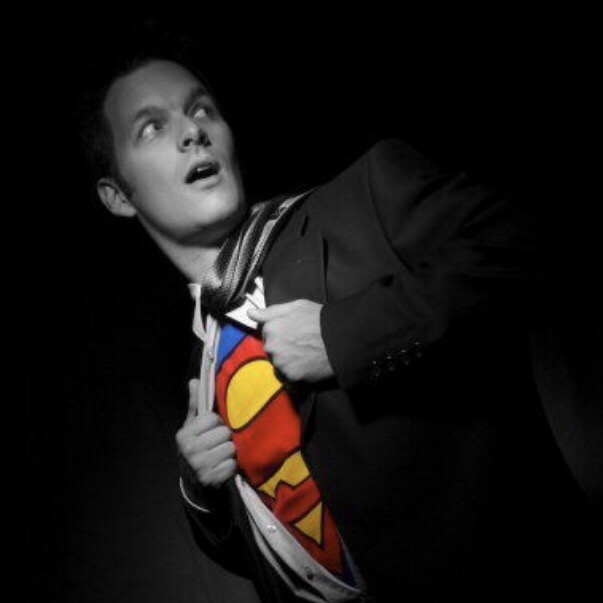
- Mar 6
- 7 min read
Portrait images serve as one of the most powerful forms of visual communication in both commercial and personal contexts. Whether you're building a business brand, updating your LinkedIn profile, or preserving family memories, portrait images capture the essence of who we are and what we represent. These photographs go beyond simple snapshots, they tell stories, convey professionalism, and create connections that last far beyond the initial viewing.
Understanding What Defines Portrait Images
Portrait images focus on a person or group of people, emphasizing facial features, expressions, and personality. The term encompasses everything from formal corporate headshots to candid family moments.
What separates portrait images from other photography types is intention. Every element serves to highlight the subject. The background, lighting, pose, and composition all work together to draw attention to the person being photographed.
The Core Elements of Effective Portrait Images
Several technical and creative factors determine whether portrait images succeed:
Lighting quality and direction that flatters facial features
Composition that guides the viewer's eye to the subject
Background selection that complements without distracting
Expression and pose that convey the intended message
Technical sharpness especially in the eyes
Professional photographers understand how these elements interact. Portrait photography has evolved significantly over the decades, but the fundamentals remain constant.
Commercial Applications for Portrait Images
Businesses rely on portrait images to build trust and establish credibility. In 2026, your online presence often provides the first impression potential clients receive.
Headshots That Convert
The Headshot Sessions represent the most common commercial use for portrait images. These polished, professional photographs appear on websites, LinkedIn profiles, speaker bios, and marketing materials.
Effective headshot portraits communicate approachability and competence simultaneously. The best ones make viewers feel like they already know the person pictured.
Headshot Style | Best For | Key Characteristics |
Corporate Traditional | Lawyers, executives, finance | Neutral background, business attire, serious expression |
Creative Professional | Designers, artists, consultants | Environmental elements, personality-forward, relaxed posing |
Healthcare & Service | Doctors, therapists, coaches | Warm expression, approachable energy, clean aesthetic |
Branding Photography Beyond the Headshot
The Branding Sessions expand portrait images into full storytelling. These sessions capture entrepreneurs, executives, and professionals in their element, working, creating, and engaging with their craft.
Unlike static headshots, branding photography includes environmental portraits. You might be photographed at your desk, in your studio, meeting with clients, or demonstrating your expertise. These varied portrait images give potential customers a complete picture of what working with you looks like.
The value becomes obvious when you need fresh content for social media, website updates, or marketing campaigns. One comprehensive session delivers dozens of portrait images that maintain consistent quality and aesthetic across all platforms.
For businesses seeking a complete visual identity, Individual Headshots Packages provide the foundation with options for teams of all sizes. Starting with professional portrait images ensures every team member presents a cohesive, polished image that reinforces your brand values.
Event Documentation That Captures People
Calgary Event Photography requires a different approach to portrait images. Rather than controlled studio conditions, event photographers work in dynamic environments, capturing candid moments and group interactions.
Corporate events, conferences, and networking functions all benefit from professional portrait images. Attendees appreciate having quality photos to share on social media. Companies use these images for marketing, demonstrating their culture and community engagement.
The challenge lies in creating flattering portrait images under varying lighting conditions while maintaining documentary authenticity.
Personal Portrait Images That Preserve Memories
Commercial applications dominate professional photography, but personal portrait images hold equal importance for individuals and families.
Graduate and Senior Portraits
The Grad Sessions mark significant life transitions. These portrait images celebrate achievement while capturing young adults at a pivotal moment.
Modern graduate portraits blend traditional formal shots with creative, personality-driven images. Students want portrait images that reflect who they are, not just what they've accomplished.
Elements that make grad portraits memorable:
Location variety (studio, outdoor, urban, natural)
Outfit changes that show different aspects of personality
Props that represent interests or achievements
Both serious and playful expressions
Images suitable for announcements and social sharing
Family Portraits in the Modern Era
The Family Sessions create heirlooms. While we all take countless phone photos, professionally crafted portrait images carry different weight.
These photographs get printed, framed, and displayed. They become the images future generations reference when asking about their family history. Quality matters because these portrait images literally last lifetimes.
Contemporary family portrait images have shifted away from stiff, formal compositions. Today's families want authentic moments, genuine laughter, and real connection captured in their portrait images.
Technical Mastery Behind Great Portrait Images
Creating exceptional portrait images requires understanding both art and science. Lighting stands as the most critical technical element.
Lighting Techniques for Portrait Images
Professional photographers study lighting patterns extensively. Rembrandt lighting creates that distinctive triangle of light on the shadow side of the face, adding dimension and drama to portrait images.
Different lighting setups serve different purposes. Butterfly lighting works beautifully for beauty and glamour portrait images. Loop lighting provides a flattering, versatile option for business headshots. Split lighting delivers dramatic, moody portrait images perfect for artistic applications.
Five ways to improve portrait lighting include mastering off-camera flash, understanding light quality, controlling shadows, using reflectors effectively, and experimenting with continuous lighting sources.
Composition Strategies
How you frame portrait images determines their impact. The rule of thirds applies, but experienced photographers know when to break rules for stronger compositions.
Key compositional considerations:
Eye level placement (typically upper third of frame)
Negative space that gives images breathing room
Leading lines that direct attention to the subject
Depth of field controlling background blur
Cropping decisions that emphasize different aspects
Vertical orientation suits most portrait images, especially headshots and full-length portraits. Horizontal framing works well for groups or when incorporating environmental context.
Portrait Images for Model Development
The Modeling Sessions serve aspiring and professional models building portfolios. These portrait images need to showcase versatility, range, and camera presence.
Unlike commercial headshots or family portraits, model portfolio images push creative boundaries. They explore different looks, expressions, and styling to demonstrate the model's adaptability.
Portfolio development requires variety. A complete set of portrait images includes:
Clean beauty shots highlighting facial features
Fashion editorial-style images
Commercial/lifestyle portraits
Headshots (both neutral and expressive)
Full-length and three-quarter poses
Models use these portrait images when submitting to agencies, applying for jobs, and building their professional presence online.
Children's Portrait Images
The Kiddo Sessions present unique challenges and rewards. Children move constantly, their attention spans are short, and genuine expressions can't be forced.
The best portrait images of children capture authentic personality. Instead of rigid poses, successful children's photographers create environments where kids feel comfortable being themselves.
Timing matters enormously. Scheduling sessions when children are well-rested and fed increases success rates dramatically. Quick pace keeps kids engaged rather than bored.
Age Group | Session Approach | Best Results |
Infants (0-12 months) | Parent-assisted positioning, simple setups | Peaceful, sleepy portraits or wide-awake curiosity |
Toddlers (1-3 years) | Play-based direction, short sessions | Candid movement, genuine laughter |
School age (4-10 years) | Conversational engagement, personality focus | Authentic expressions, cooperative posing |
Pre-teens (11-13 years) | Respect autonomy, collaborative posing | Natural confidence, emerging personality |
Working with Professional Portrait Photographers
Choosing a photographer for your portrait images impacts results significantly. Experience, style, and approach all matter.
Research portfolios thoroughly. Look for portrait images that resonate with your vision. A photographer specializing in commercial photography brings different expertise than someone focused primarily on artistic portraiture.
Preparing for Your Portrait Session
Preparation determines half the session's success. For commercial portrait images, understand your brand and the message you want to convey. For family portraits, coordinate outfits without being overly matchy.
Pre-session checklist:
Review photographer's portfolio and shot list
Plan wardrobe with attention to colors and style
Discuss locations and background preferences
Clarify usage rights and deliverable formats
Prepare props or meaningful items if desired
Get proper rest (especially for children's sessions)
Communicate any specific requirements or concerns
Professional portrait photographers guide you through posing and expression. Trust their expertise while communicating your preferences openly.
The Evolution of Portrait Images in Digital Age
Technology has transformed how we create and use portrait images. Digital cameras allow instant review and unlimited shooting. Editing software enables precise refinement of the final images.
Yet the core principles remain unchanged. Great portrait images still require understanding light, composition, and human connection. The camera is just a tool, the photographer's skill and vision create the magic.
Social media has dramatically increased demand for portrait images. Professionals need regular content. Individuals want polished images for their personal brands. This creates ongoing opportunities for fresh portrait images rather than one-time sessions.
Lighting Innovations and Portrait Images
Recent advances in lighting technology give photographers more control than ever. LED panels provide consistent, adjustable light without the heat of traditional hot lights. High-speed sync flash allows creative depth-of-field control outdoors.
Controllable volumetric portrait relighting represents cutting-edge research in manipulating lighting after capture. While primarily relevant for digital artists, these techniques hint at future possibilities for portrait images.
For practical application today, five lighting tips for portrait photography demonstrate how simple adjustments create dramatic improvements in portrait images.
The Investment Value of Professional Portrait Images
Quality portrait images represent investment, not expense. For businesses, professional headshots directly impact conversion rates and perceived credibility. For families, these photographs become irreplaceable memories.
Consider cost in context of value delivered. Amateur portrait images might save money initially but often require retaking when results disappoint. Professional portrait images get it right the first time, delivering images you're proud to display and share.
The difference becomes obvious in details like catchlights in eyes, natural skin tones, and compositions that draw viewers in rather than confusing them. These subtle elements separate snapshots from true portrait images.
Finding Your Portrait Photography Style
Personal preference plays a huge role in portrait images. Some people prefer clean, minimalist aesthetics. Others want environmental context and storytelling elements.
Browse different photographers' work to identify what resonates with you. Notice patterns in portrait images you're drawn to. Do they feature dramatic lighting? Bright, airy tones? Indoor studio settings or outdoor natural light?
Understanding your preferences helps you communicate effectively with photographers and ensures satisfaction with final portrait images. There's no single "correct" style, only what works for your specific needs and aesthetic preferences.
Portrait images serve as powerful tools for business branding and personal memory preservation. Whether you need polished headshots for your team, dynamic branding content, or family portraits that capture this moment in time, working with an experienced professional ensures results you'll value for years. Jeff B Photography specializes in creating portrait images that help Calgary businesses stand out while preserving meaningful memories for families through expert technique and personalized service.

Comments