People Headshots: The Complete Professional Guide
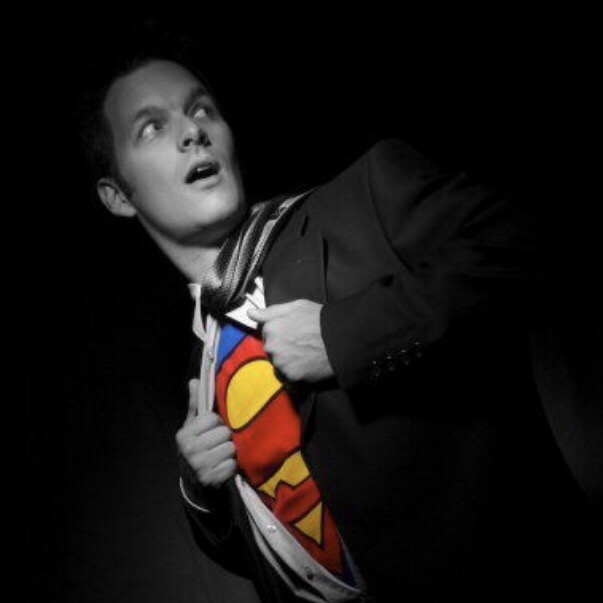
People headshots have become a non-negotiable element of professional branding in 2026. Whether you're building a LinkedIn profile, launching a new business, or managing a corporate team, the right headshot communicates trust, competence, and approachability before you say a single word. These aren't just photos. They're strategic assets that shape how clients, colleagues, and potential employers perceive you in an increasingly digital world.
Why People Headshots Matter More Than Ever
First impressions happen fast online. Studies show people form judgments about trustworthiness and competence within milliseconds of seeing a photo. Professional headshots play a crucial role in attracting recruiters and opening networking doors that generic selfies simply can't unlock.
The professional landscape has shifted dramatically. Remote work is standard. Virtual meetings are everyday occurrences. Your headshot often precedes you into important conversations. It appears on websites, email signatures, conference programs, and social media profiles. That single image carries significant weight.
Quality matters for specific reasons:
Trust building – Professional photos signal you take your career seriously
Consistency – The same polished image across platforms reinforces brand recognition
Competitive edge – Superior headshots help you stand out in crowded markets
Accessibility – A clear, well-lit headshot makes you approachable and human
People headshots aren't vanity projects. They're business tools that generate tangible results when executed correctly.
Different Types of People Headshots
Not all headshots serve the same purpose. Understanding which style fits your needs prevents wasted time and money.
Corporate Headshots
These traditional people headshots typically feature neutral backgrounds, professional attire, and serious-to-friendly expressions. They're designed for annual reports, company websites, and formal business profiles. The lighting is clean and flattering without being dramatic.
Calgary businesses often request these for entire teams during The Headshot Sessions, ensuring visual consistency across their organization. When everyone's photo shares similar styling, the company looks cohesive and professional.
Creative Industry Headshots
Photographers, designers, writers, and other creative professionals need headshots that reflect personality while maintaining professionalism. These might incorporate more interesting lighting, environmental elements, or expressive poses. The goal is showing you're competent AND interesting.
These sessions often blur the line with branding photography, incorporating tools of your trade or workspace elements that tell a richer story.
LinkedIn and Social Media Headshots
Platform-specific people headshots optimize for square or circular crops. They need to read clearly at thumbnail size while looking sharp when clicked to full view. The background shouldn't compete with your face for attention.
Many professionals update these annually to reflect current appearance and stay relevant. Establishing a strong professional presence requires fresh imagery that doesn't feel dated.
Team Headshots
When photographing groups, consistency is everything. Same lighting setup, same background, same general posing approach. This creates a unified look that strengthens brand identity rather than looking like random photos pulled from different sources.
Headshot Type | Best Background | Typical Attire | Key Focus |
Corporate | Neutral gray/white | Suit or business formal | Trust and authority |
Creative | Contextual/environmental | Business casual to expressive | Personality with professionalism |
Simple solid color | Industry-appropriate | Clear facial features at small size | |
Team | Matching backdrop | Consistent dress code | Visual uniformity |
Preparing for Your People Headshot Session
Preparation separates good headshots from great ones. Most of the work happens before you step in front of the camera.
Wardrobe selection makes or breaks results. Solid colors photograph better than busy patterns. Jewel tones and earth tones tend to flatter most skin tones. Avoid pure white and pure black, which can create contrast problems. Bring options so you and your photographer can choose what works best under the lights.
Grooming matters too. Get haircuts a week before the session, not the day of. Fresh cuts can look too sharp. For people headshots where you want to look your absolute best, following professional headshot tips regarding grooming and preparation pays dividends.
Physical preparation includes:
Get adequate sleep the night before
Stay hydrated (but not excessively right before)
Avoid alcohol and salty foods that cause puffiness
Bring any necessary touch-up items (powder, lint roller)
Wear clothing you've tested for comfort
Mental preparation is equally important. Nervousness shows in photos. Practice your smile in a mirror. Think about what you want the image to communicate. Confidence? Approachability? Authority? Having clarity on your goal helps you embody it.
The right photographer understands how to make subjects comfortable. During The Headshot Sessions, experienced photographers create environments where even camera-shy individuals relax and show their best selves.
Technical Elements That Define Quality People Headshots
Understanding what makes headshots work technically helps you evaluate photographers and results.
Lighting Fundamentals
Professional lighting separates amateur snapshots from portfolio-worthy people headshots. Most professional setups use a key light (main light source) positioned at roughly 45 degrees from the subject. Fill lights reduce harsh shadows. Sometimes a hair light adds separation from the background.
Natural light can work beautifully when controlled properly. Window light provides soft, flattering illumination. However, consistency becomes challenging when shooting multiple people or needing specific looks.
Background Selection
Simple backgrounds keep focus on faces. Choosing the right background significantly impacts the final image's professional quality. Solid colors work for most applications. Subtle textures add interest without distraction.
Environmental backgrounds suit certain industries better. An architect might benefit from an office setting. A chef might include kitchen elements. The key is supporting the subject rather than overpowering them.
Depth of Field and Sharpness
Professional people headshots use shallow depth of field to blur backgrounds while keeping eyes tack-sharp. Eyes must be the sharpest point in any headshot. If they're soft, the entire image fails regardless of other elements.
Technical specifications typically include:
Aperture between f/2.8 and f/5.6 for pleasing background blur
Focus point on the eyes (specifically the nearest eye)
Shutter speed fast enough to freeze any movement (1/160 or faster)
ISO as low as possible while maintaining proper exposure
Composition and Framing
Traditional headshots include head and shoulders. Tighter crops work for social media profiles. Wider shots incorporating more torso suit certain professional contexts. The framing should feel intentional, not accidental.
Space around the subject matters. Proper headroom prevents cramped compositions. Looking space (extra room in the direction the subject faces) creates visual balance.
Posing and Expression Strategies
Great people headshots capture authentic expressions that feel natural rather than forced or stiff.
Body Positioning
Even in tight headshots, body position affects the final image. Shoulders angled slightly toward the camera (rather than perfectly square) creates dimension. Proper posture communicates confidence. Slouching reads as disinterest or unprofessionalism.
Professional photographers guide subjects through subtle adjustments. Turn your chin slightly. Shift weight to your back foot. Drop your shoulders. These micro-adjustments accumulate into significantly better results.
Facial Expressions
The goal is authentic warmth, not a forced grin. Capturing personality while maintaining professionalism requires finding the sweet spot between too serious and too casual.
Think about pleasant thoughts rather than forcing a smile. Genuine expressions engage the eyes, not just the mouth. "Smizing" (smiling with your eyes) creates approachable, trustworthy headshots.
Expression considerations by industry:
Legal/Finance: Confident and serious with slight warmth
Creative fields: Engaged and expressive with personality
Healthcare: Compassionate and trustworthy
Tech/Startups: Approachable and innovative
Sales/Marketing: Energetic and friendly
Working With Your Photographer
Communication creates better results. Share your intended use for the images. Show examples of headshots you admire. Explain your comfort level with the camera. Good photographers adjust their approach based on subject needs.
Don't be afraid to ask questions during the session. Request to see test shots if that helps your confidence. The photographer-subject relationship should feel collaborative, not adversarial. When you're looking for commercial headshots that serve specific business purposes, this partnership becomes even more critical.
Common Mistakes to Avoid
Even well-intentioned professionals make headshot mistakes that undermine their image.
Fashion choices gone wrong include overly trendy clothing that dates quickly, distracting jewelry, and clothing with visible logos. People headshots should feel timeless, not tied to a specific moment. What's trendy in 2026 might look ridiculous in 2028.
Lighting errors create unflattering results. Overhead lighting causes harsh shadows under eyes and nose. Direct flash creates flat, washed-out faces. Inconsistent color temperature produces skin tones that look sickly or unnatural.
Technical mistakes include:
Using phone cameras when quality matters (though modern phones can work in skilled hands)
Selfie angles that distort facial features
Backgrounds that compete for attention
Poor resolution that falls apart when printed or enlarged
Over-editing that makes you unrecognizable in person
Expression issues plague many amateur headshots. Too serious makes you unapproachable. Too smiley looks unprofessional in certain contexts. Unfocused eyes suggest distraction or discomfort.
The biggest mistake is using outdated headshots. If you've changed significantly (new hairstyle, weight change, aging), update your photos. Meeting someone who looks nothing like their headshot destroys trust immediately.
Industry-Specific Headshot Requirements
Different fields have distinct expectations for people headshots.
Real Estate Agents
Real estate professionals need approachable, trustworthy headshots. Clients are making huge financial decisions and need to feel comfortable. These headshots often work outdoors or incorporate environmental elements suggesting local expertise.
Corporate Executives
C-suite headshots balance authority with approachability. They're more formal than entry-level employee headshots but shouldn't feel cold or distant. High-end retouching is standard, but results should still look natural.
Entrepreneurs and Small Business Owners
These people headshots often double as brand imagery. They might incorporate business elements or locations. The goal is showcasing the person behind the business while maintaining professionalism. The Branding Sessions often expand beyond simple headshots to capture these entrepreneurs in their work environments.
Actors and Models
Performers need multiple headshot variations. Commercial headshots show approachable, everyday characters. Theatrical headshots might be more dramatic. These images must capture range while maintaining recognizability. The Modeling Sessions approach headshots differently than corporate sessions, focusing on versatility and casting potential.
Industry | Style Priority | Typical Use | Update Frequency |
Corporate | Consistency and professionalism | Website, annual reports | Every 2-3 years |
Real Estate | Approachability and trust | Marketing materials, listings | Annually |
Creative | Personality and uniqueness | Portfolio, social media | As needed |
Legal | Authority and competence | Firm website, publications | Every 3-5 years |
Investing in Professional People Headshots
The cost of professional people headshots varies significantly based on photographer experience, location, and package details.
Budget options might run $100-200 for basic headshots. These typically include minimal retouching and few final images. Mid-range services ($300-600) offer better lighting, more experience, professional retouching, and multiple final images. High-end headshots ($800+) include extensive session time, wardrobe changes, professional hair/makeup, and significant post-production.
For businesses booking multiple people, group rates make sense. The Individual Headshots Packages offer different options based on session length and number of delivered photos, with special discounts for teams of five or more people.
Consider the return on investment. A $500 headshot session might seem expensive until you consider how long you'll use those images and how many people will see them. If a better headshot helps you land one additional client, it's paid for itself many times over.
Quality photography involves real costs. Professional equipment, lighting, studio space, editing software, and years of experience all factor into pricing. The photographer isn't just clicking a button. They're applying technical knowledge and artistic vision to make you look your absolute best.
Using Your People Headshots Strategically
Getting great headshots is step one. Using them effectively is where real value emerges.
Deploy headshots across all professional touchpoints:
LinkedIn profile (update it immediately)
Company website team page
Email signature
Conference materials and speaker profiles
Social media platforms (Facebook, Twitter, Instagram)
Professional directories and memberships
Media kits and press materials
Business cards (where applicable)
Consistency matters. Using the same professional headshot across platforms reinforces recognition. People see your photo multiple places and begin associating that image with your name and expertise. Showcasing the person behind the business through consistent imagery elevates brand perception significantly.
Some platforms require different crops or aspect ratios. Request multiple versions from your photographer. A horizontal crop for LinkedIn, a square for Instagram, a vertical for certain directories. Professional photographers anticipate these needs.
Update your headshots before major launches or campaigns. New book? Speaking engagement? Product launch? Refresh your headshot to maximize impact during these high-visibility moments.
The Future of People Headshots
Technology continues evolving how we create and use headshots. AI-assisted editing now handles basic retouching in seconds. Virtual backgrounds allow consistency without physical studio requirements. Some services even generate headshots from existing photos, though quality varies dramatically.
Despite technological advances, human-created people headshots still outperform AI alternatives in 2026. The subtle nuances a skilled photographer captures-genuine expression, perfect lighting, authentic presence-remain difficult for algorithms to replicate convincingly.
Remote headshot sessions have become more common. Photographers can direct subjects over video calls, with subjects using their own cameras and lighting. Results vary, but this approach makes professional guidance more accessible geographically.
Video headshots are emerging too. Short 5-10 second clips where you introduce yourself add dimension beyond static images. Some professionals now include both traditional photos and video clips in their media kits.
Emerging trends include:
Environmental headshots showing workspace or relevant settings
Lifestyle-influenced shots with more personality
Diverse expression options for different platform needs
Motion elements (cinemagraphs) that subtly animate
Integration with AR/VR professional platforms
The core principle remains unchanged though. People headshots exist to create connection, build trust, and present your best professional self to the world. Technology simply offers new tools for achieving those timeless goals.
Maximizing Your Headshot Session Value
Get the most from your investment by approaching sessions strategically.
Before the session:
Communicate clearly about intended uses
Review the photographer's portfolio
Prepare multiple outfit options
Get adequate rest
Clarify deliverables and rights
During the session:
Arrive on time and relaxed
Trust your photographer's guidance
Request to review shots if helpful
Try multiple expressions and angles
Communicate any concerns immediately
After the session:
Review proofs carefully before final selections
Request specific edits if needed
Understand file formats and usage rights
Organize files for easy access
Update all platforms promptly
Many professionals wait years between headshot updates. Building trust through professional imagery requires maintaining current, accurate representations. Annual updates might be excessive for most people, but 2-3 year refreshes keep you looking current.
Consider seasonal or occasional updates too. Some professionals maintain both a formal corporate headshot and a more relaxed version for different contexts. This versatility serves various professional needs without requiring complete rebranding.
The relationship with your photographer can extend beyond single sessions. Establishing rapport with a photographer who understands your needs makes future updates smoother. They already know your preferences, which expressions work best, and how you photograph.
People headshots represent far more than simple photographs in 2026. They're strategic tools that shape perception, build trust, and open professional doors in an increasingly digital world. From preparation through final deployment, every element contributes to how effectively these images serve your career or business goals. Whether you need updated corporate headshots, creative professional imagery, or team photos that strengthen brand identity, Jeff B Photography specializes in capturing the unique personalities and professionalism that help Calgary businesses and individuals stand out in competitive markets.
Comments