The role of portraits in connection and presence
TL;DR:
Portraits go beyond mere likeness to serve as documents of identity, emotion, and relationship that deepen human connection. They foster lasting engagement, authenticity, and trust through careful craftsmanship, intentional placement, and understanding of different portrait types. Properly used, portraits become strategic tools that reinforce belonging, credibility, and genuine presence in personal and professional contexts.
Portraits are defined as intentional visual records of human presence, and their role in connection goes far deeper than likeness. A portrait is not simply a photograph or painting of a face. It is a document of identity, emotion, and relationship. Whether you are a business owner choosing a headshot for LinkedIn, a family commissioning a painted portrait, or an organisation building a visual brand story, the significance of visual representation in your life and work is real and measurable. Practitioners like Geoff Letchford and Eva Christina Nielsen have built entire bodies of work around this idea: that portraits, when made with care, become active agents in how people understand themselves and each other.
How do portraits create and deepen emotional connections?
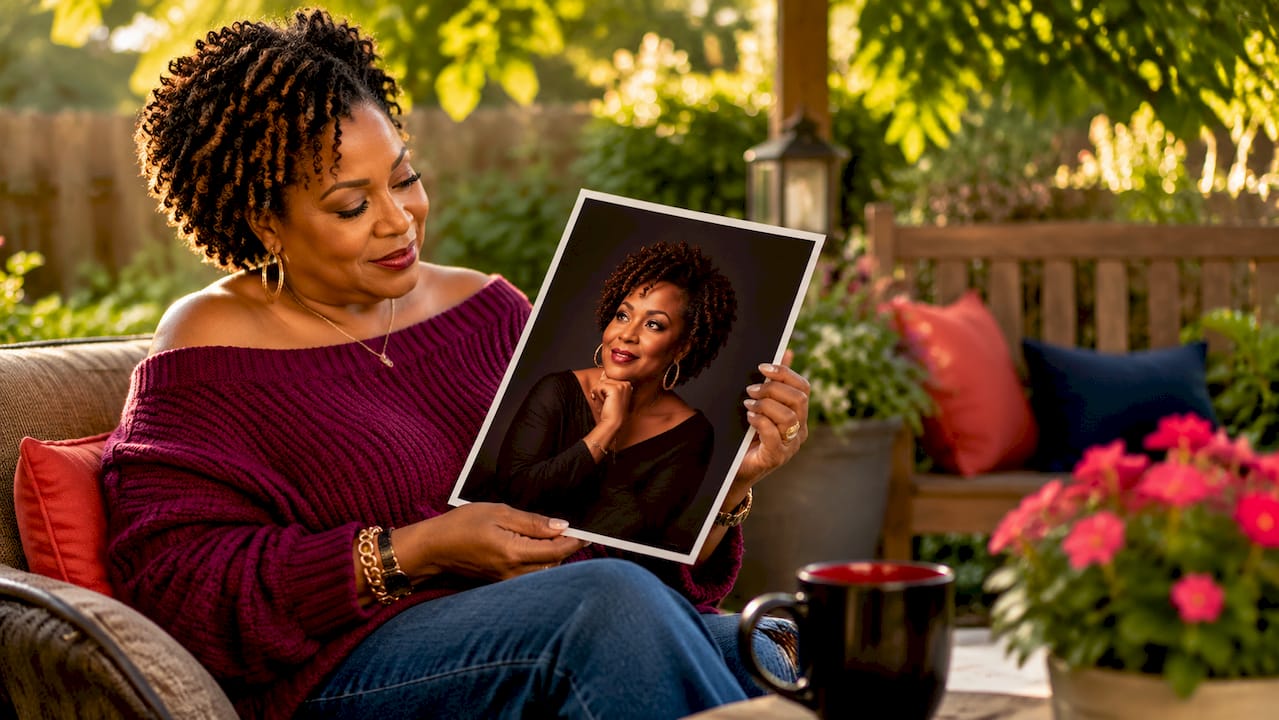
Portraits function as emotional anchors, and that function is not accidental. Portraits document resilience, transformation, and lasting connection in ways that casual images simply cannot. When you look at a portrait made with intention, you are not just seeing a face. You are seeing a moment of genuine human presence held still.
One of the most compelling things about portraiture is what it does to the viewer’s attention. Portraiture holds attention longer, counteracting the superficial consumption that defines most digital scrolling. This slower engagement creates space for empathy and reflection, which is precisely why a well-made portrait can stop you in a hallway or hold your gaze across a boardroom.
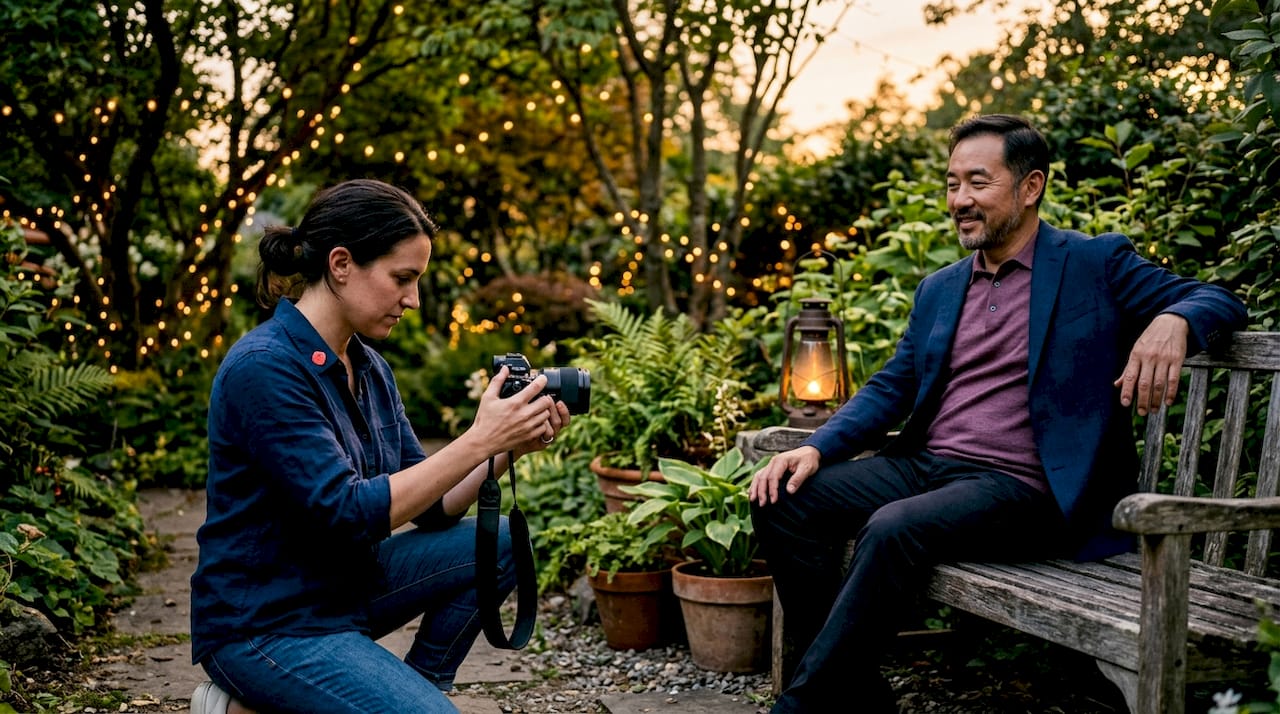
There is also a fascinating paradox at the heart of portrait photography. Successful portraits negotiate the tension between a subject’s authentic self and the photographer’s perception of them. The best portraits emerge not from performance but from genuine presence, nurtured through trust and intentional care between subject and photographer. This is why sitting for a portrait with a skilled practitioner feels different from a quick phone snap.
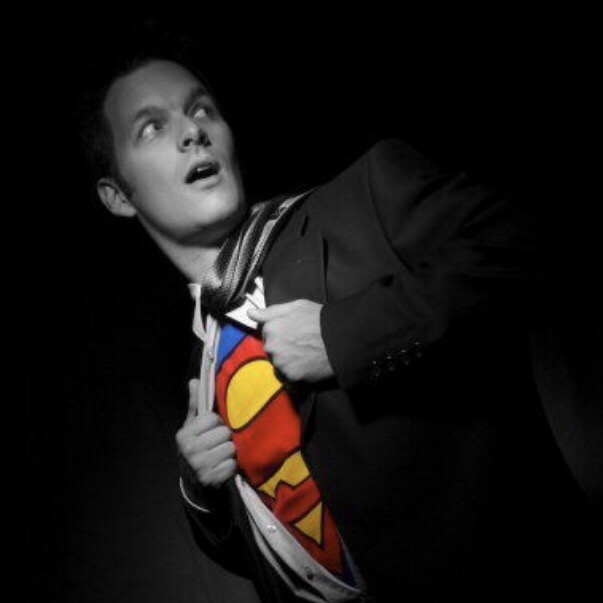
Tonal range and black-and-white photography amplify this emotional language. Stripping away colour forces the viewer to read texture, light, and expression more closely. The result is often a portrait that communicates something quieter and more lasting than a vivid colour image.
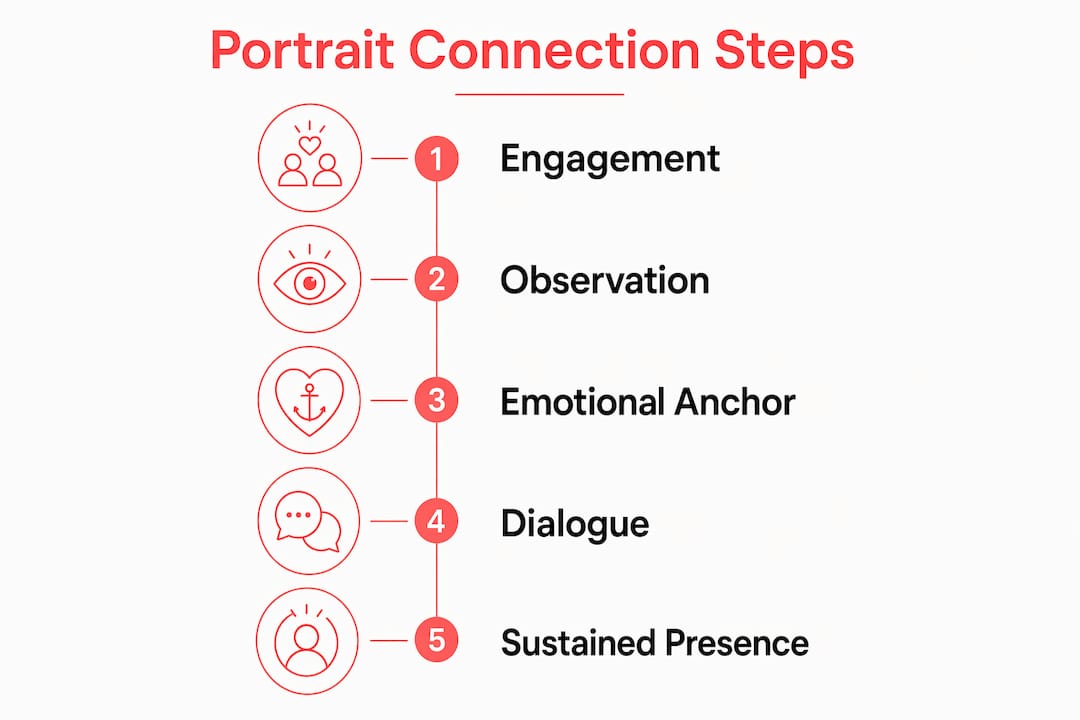
Look at the portrait for at least 30 seconds before forming an impression.
Notice what the light reveals and what it leaves in shadow.
Ask yourself what the subject’s expression communicates beyond the obvious.
Consider the relationship between the subject and the space around them.
Pro Tip: When engaging with a portrait, resist the urge to caption it mentally with a single emotion. Sit with the ambiguity. The most powerful portraits hold more than one feeling at once, and that tension is where genuine connection lives.
What types of portraits serve different connection purposes?
Not all portraits do the same work, and understanding the differences helps you choose the right approach for your goals. Different portrait types serve distinct functions across personal and professional relationship-building, from fine art to corporate branding.
Fine art portraits are made for sustained contemplation. They prioritise emotional truth over accuracy and are often displayed in homes or galleries where they invite repeated viewing. Their connection function is deeply personal, anchoring memory and identity within a space.
Commissioned portraits operate as partnerships. Effective commissioned portraits emerge through dialogue, intuition, and collaboration between artist and subject, yielding a visual document of nuanced inner truth that a snapshot cannot achieve. The process itself builds connection, not just the finished image.
Corporate and branding portraits serve a different but equally important purpose. Business portraits strengthen relationships through visual storytelling and authenticity, creating trust before a word is spoken. A strong headshot on a website or LinkedIn profile tells a prospective client or employer something real about who you are.
Double portraits are among the most underused tools in relational photography. By placing two people within the same frame and light, a skilled photographer reveals the dynamic between them. The space between two subjects in a double portrait communicates as much as the subjects themselves.
Portrait type | Primary connection function | Best context |
Fine art portrait | Emotional anchoring and identity | Homes, galleries, personal legacy |
Commissioned portrait | Partnership and inner truth | Personal milestones, gifts, family |
Corporate headshot | Trust and professional presence | LinkedIn, websites, marketing |
Double portrait | Relational dynamics and shared identity | Couples, business partners, teams |
Candid documentary | Authentic moment and community | Events, editorial, social storytelling |
The right portrait type depends on what kind of connection you are trying to build and with whom. A candid event photograph builds community feeling. A polished headshot builds professional credibility. Neither is better. They are simply doing different work.
How do portraits compare with other visual representations?
Portraits and selfies are not the same thing, and treating them as interchangeable is a mistake that costs people real relational currency. Crafted portraits hold presence that casual or digital-only images simply cannot replicate. The difference is intention.
A selfie is a record of a moment from the subject’s own perspective. It is inherently self-directed and often optimised for immediate social approval. A portrait, by contrast, is made through a relationship. Someone else is looking at you, making decisions about light and framing and timing, and those decisions reflect a genuine attempt to see you clearly.
Digital avatars and AI-generated profile images take this further in the wrong direction. They remove the human relationship entirely. The result may be visually polished, but it communicates nothing about the actual person behind it. In professional contexts especially, this absence of authentic presence is noticed, even when people cannot articulate why.
Portraits vs selfies: Portraits involve a second perspective and deliberate craft. Selfies are self-directed and optimised for immediacy.
Portraits vs documentary photography: Documentary photography captures events and environments. Portraits focus on the individual and their inner world.
Portraits vs social media imagery: Social media images are designed for fast consumption. Portraits are designed for sustained engagement and emotional resonance.
Portraits vs digital avatars: Avatars remove authentic human presence entirely, which undermines trust in professional settings.
Pro Tip: If you are using a portrait professionally, avoid heavy filters or significant retouching. The goal is not perfection. It is recognition. People need to see you in person and feel that your portrait was honest with them.
How can individuals and organisations use portraits to build connection?
Portraits become most powerful when they are treated as active elements in your environment, not passive decorations. Placing portraits in transitional spaces creates recurring emotional anchors, turning hallways, entryways, and common areas into spaces that reinforce belonging and memory. This is not interior design advice. It is relational strategy.
For organisations, the practical application is clear. A team wall of consistent, well-made headshots communicates cohesion and professionalism to every visitor and client. It says: these are real people, and they are proud to be here. That message lands before anyone speaks.
Here is a practical framework for deploying portraits with intention:
Audit your current visual presence. Look at every image of yourself or your team that appears publicly. Ask honestly whether those images communicate the connection and authenticity you want.
Commission portraits with a clear purpose. Know whether you need emotional depth (fine art, family), professional trust (corporate headshots), or community feeling (event and team photography) before you book a session.
Place portraits where they will be seen repeatedly. A portrait stored on a phone does almost nothing. A portrait in a hallway, on a website, or in a meeting room works every day.
Refresh portraits as people and organisations grow. A headshot from five years ago communicates a version of you that no longer exists. Update regularly to keep your visual presence honest.
Preserve physical prints. Digital images disappear. Printed portraits endure and carry a physical weight that screens cannot replicate.
Application | Connection goal | Recommended portrait type |
LinkedIn and website | Professional trust and credibility | Corporate headshot |
Home display | Family memory and belonging | Fine art or commissioned portrait |
Office environment | Team cohesion and client confidence | Consistent team headshots |
Personal milestone | Resilience and transformation | Commissioned or fine art portrait |
The importance of portraits in personal and professional life is not sentimental. It is strategic. Every portrait you display or publish is making a claim about who you are and how you want to be known.
Key takeaways
Portraits are the most intentional visual tool available for building genuine human connection, and their impact compounds when placed, commissioned, and used with purpose.
Point | Details |
Portraits slow down attention | Sustained engagement with a portrait creates space for empathy and genuine understanding. |
Portrait type determines function | Fine art, corporate, commissioned, and double portraits each serve distinct relational goals. |
Intention separates portraits from selfies | Crafted portraits involve a second perspective and deliberate care that casual images cannot replicate. |
Placement amplifies impact | Portraits in transitional spaces create recurring emotional anchors that reinforce belonging daily. |
Authenticity builds professional trust | Honest, well-made headshots communicate credibility before a single word is exchanged. |
What I have learned about portraits and real human presence
I have photographed hundreds of people across Calgary, from executives to families to entire corporate teams, and the thing that never changes is the moment a person sees a portrait of themselves that actually looks like them. Not a performance of them. Not a filtered approximation. Them.
Most people come into a session a little guarded. They are not sure what to do with their face or their hands, and they have usually had at least one bad photo experience they are quietly trying to forget. What I have found is that the portrait itself is not the hard part. The connection in the room is the hard part. When that is right, the image takes care of itself.
What I believe, after years of this work, is that portraits are often misunderstood as vanity. They are actually the opposite. A good portrait is an act of attention. It says: you are worth seeing clearly. That is not a small thing to communicate, whether you are giving it to a family member, a client, or yourself.
The organisations that understand this use their team headshots not just as website assets but as statements of culture. The individuals who understand it use their portraits as anchors for how they want to show up in the world. Both are right. Both are using portraiture exactly as it was meant to be used.
— Jeff
Portraits that work as hard as you do
If this article has you thinking about the portraits you currently have (or do not have), that is a good sign. At Itsjeffb, the work is built around one idea: that great portraits should feel like you and work for you, whether that is on your website, your office wall, or your LinkedIn profile.
[
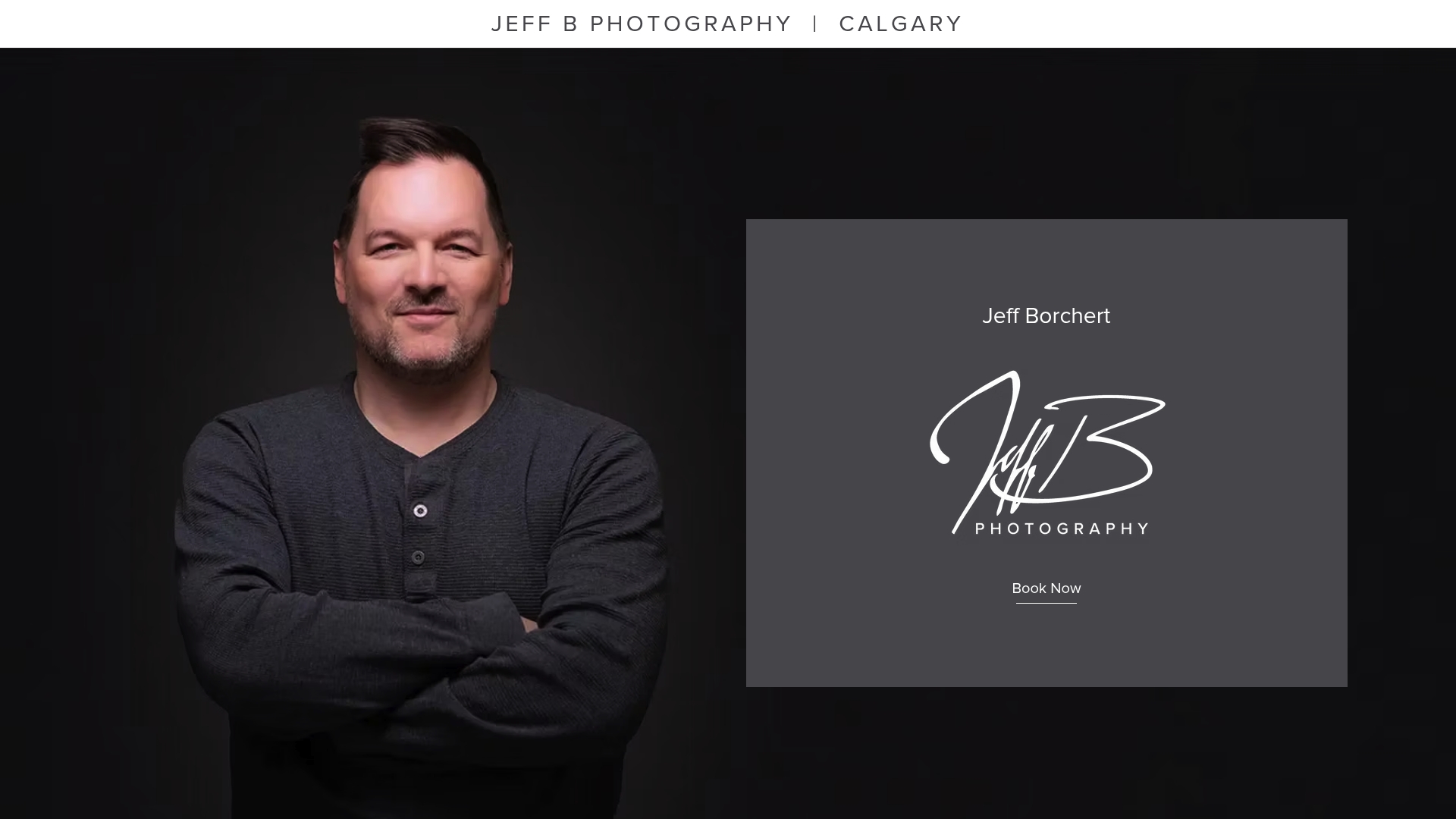
Jeff B Photography offers Calgary headshot sessions for individuals and efficient on-location team shoots for organisations of any size. Every session is guided, low-pressure, and designed to produce images you are genuinely proud to use. If you are ready to see what a portrait made with real intention looks like, explore session pricing and options and let’s get started.
FAQ
What is the role of portraits in connection?
Portraits build connection by documenting genuine human presence and creating sustained emotional engagement between viewer and subject. Unlike casual images, they are made with intention and care, which communicates something real about the person depicted.
Why are portraits more powerful than selfies for professional use?
Portraits involve a second perspective and deliberate craft, which creates a sense of authentic presence that self-directed images cannot replicate. In professional contexts, this authenticity builds trust before any conversation begins.
How do commissioned portraits differ from standard photography?
Commissioned portraiture is a partnership between artist and subject, designed to reveal emotional truth rather than simply record appearance. The collaborative process itself deepens connection and produces images with lasting relational significance.
Where should portraits be displayed for maximum emotional impact?
Portraits placed in transitional spaces such as hallways, entryways, and common areas create recurring emotional anchors that reinforce belonging and memory in daily life. For organisations, consistent team portraits in shared spaces communicate cohesion and pride.
How often should professional portraits be updated?
Professional portraits should be refreshed whenever your appearance, role, or organisation changes significantly. An outdated headshot communicates a version of you that no longer exists, which quietly undermines the trust a good portrait is meant to build.
Recommended

Comments