What Are Book Portraits and Why Do They Work?
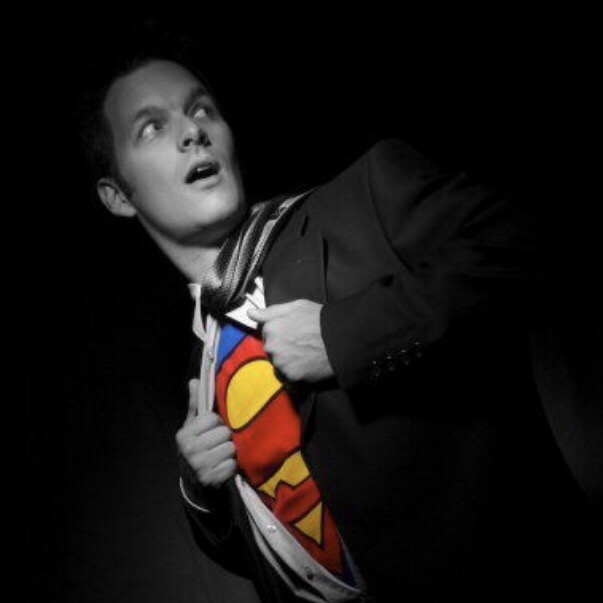
Book portraits represent a unique intersection of personal storytelling and professional photography. They capture subjects alongside, holding, or surrounded by books that define their identity, profession, or passions. This creative approach transforms standard portraiture into narrative-driven imagery that resonates with viewers on multiple levels. Whether you're a business owner building a brand or a graduate celebrating achievements, book portraits offer a meaningful way to communicate who you are beyond just your face.
Why Book Portraits Matter in Commercial Photography
Book portraits have gained traction in commercial spaces because they solve a fundamental challenge: how do you make someone memorable in a crowded marketplace?
The Branding Sessions benefit tremendously from this approach. When you photograph a business owner with books related to their industry, you're creating visual shorthand for expertise and credibility.
Here's what book portraits communicate:
Professional depth and knowledge
Personal investment in their field
Approachability through shared interests
Authenticity that generic headshots miss
The books become conversation starters. A financial advisor photographed with investment classics signals serious study. An author holding their own published work creates instant credibility. A teacher surrounded by children's literature communicates passion for education.
This technique works because our brains process visual information faster than text. According to research on portrait photography, meaningful props and context help viewers form impressions within milliseconds. Books carry cultural weight and immediate recognition value that few other props can match.
Creating Effective Book Portraits for Brand Photography
Execution matters more than concept when shooting book portraits. You can't just throw some books in the frame and call it done.
Selecting the Right Books
The books you choose must align with your message. Generic bestsellers don't cut it unless they're genuinely relevant to the subject's story.
Consider these selection strategies:
Industry-specific titles that demonstrate expertise
Personal favorites that reveal character
Client work for authors, editors, or publishers
Aspirational reads that show growth mindset
Collectible editions that add visual interest
One client in Calgary's tech sector brought first-edition computer science textbooks to their session. These weathered volumes told a story about their career journey that a modern tech setup couldn't match. The contrast between vintage books and contemporary business attire created compelling tension in the final images.
Composition Techniques That Work
Book portraits demand different composition approaches than standard commercial headshots.
Composition Style | Best For | Technical Notes |
Books as foreground | Corporate branding | Shallow depth of field, books slightly out of focus |
Subject holding single book | Authors, educators | Book at 45-degree angle, cover visible |
Surrounded by books | Academics, creatives | Environmental portrait, wider framing |
Stack as background | Minimalist approach | Clean lines, organized chaos |
The key is balance. The books should enhance, not overshadow, the subject. Your face and expression still drive the portrait's emotional impact.
Lighting plays a crucial role too. Books have texture, from embossed covers to gold-leaf titles. Side lighting brings out these details while maintaining flattering illumination on the subject. It's a delicate dance between highlighting texture and avoiding harsh shadows.
Book Portraits in Grad and Senior Photography
The Grad Sessions offer perfect opportunities for book portraits that capture a specific moment in time.
Graduates have natural connections to books. Textbooks represent years of study. Novels remind them of favorite English classes. Academic journals showcase research achievements.
Popular approaches for grad book portraits:
Holding their thesis or major project
Surrounded by textbooks from their degree program
Sitting in library settings with study materials
Featuring books from their future career field
These portraits work because they're time-stamped. Ten years later, graduates look back and remember specific courses, professors, and learning moments. A generic cap-and-gown photo can't compete with that emotional resonance.
One recent grad session featured a nursing student with anatomy textbooks and her grandmother's vintage nursing manual. The generational connection added depth that transformed a simple portrait into a family legacy piece. Her parents ordered large prints for both their home and her grandmother's.
The technical execution differs from commercial work. Grads typically want more personality and less formality. Natural light, casual poses, and authentic expressions work better than studio setups. You're capturing achievement, but also youth and possibility.
Extending Book Portraits to Family Photography
Book portraits aren't limited to professional contexts. The Family Sessions can incorporate books as powerful storytelling devices.
Children's book portraits capture what kids love right now. That dinosaur encyclopedia your six-year-old can't put down? It'll mean everything in fifteen years when they're studying paleontology or remembering their childhood obsessions.
Family portrait sessions built around reading create intimate, authentic moments. Parents reading to children, siblings sharing a favorite story, or multi-generational families with books that span decades all make compelling images.
Creating Authentic Moments
The challenge with family book portraits is maintaining authenticity. Posed reading looks stiff and fake.
Here's how to keep it real:
Start by actually reading together before shooting
Use books the family genuinely loves
Capture reactions, not just static poses
Allow kids to interact naturally with books
Shoot longer sessions to get past camera awareness
One family brought three generations worth of the same children's book. Great-grandmother had read it to grandmother, who read it to mom, who now reads it to her kids. We photographed all four generations with that worn, beloved copy. The resulting portrait series became their most treasured family heirloom.
Technical Considerations for Book Portrait Photography
Shooting book portraits presents unique technical challenges that standard portraiture doesn't.
Dealing with Reflective Covers
Modern books often have glossy, laminated covers that catch every light source. Matte books are easier to work with, but you don't always get to choose.
Solutions for glossy books:
Use polarizing filters to reduce glare
Position books at angles that deflect light away from camera
Employ larger, softer light sources that don't create hot spots
Shoot with natural window light when possible
Accept some reflection as part of the book's character
Professional brand photography often requires pristine execution. You can't have distracting glare obscuring a book title that's central to the client's identity. Taking time to manage reflections during the shoot saves hours in post-processing.
Managing Depth of Field
Book portraits require conscious depth of field decisions. Do you want every book title readable, or just the subject sharp with books providing textured blur?
Neither approach is wrong. It depends on your narrative intent.
Sharp focus throughout works when the books themselves carry important information. Academic credentials, published works, or specific meaningful titles need clarity.
Shallow depth of field emphasizes the subject while books provide context and atmosphere. This works for environmental portraits where the presence of books matters more than identifying specific titles.
Most book portraits benefit from apertures between f/4 and f/8. This range provides enough depth to keep faces sharp and important book elements recognizable while still separating subjects from backgrounds.
When clients book professional sessions, they want flexibility in how their images can be used. The Individual Headshots Packages provide multiple options for session length and final image delivery, making it easy to incorporate creative concepts like book portraits while ensuring you get the traditional shots your business needs.
Book Portraits in Event Photography
Calgary Event Photography occasionally presents opportunities for book portraits, particularly at literary events, book launches, or educational conferences.
These situations demand quick execution. You don't have studio control or lengthy setup time.
Event book portrait strategies:
Scout locations before the event starts
Identify good natural light near bookshelves or displays
Keep gear minimal and mobile
Work fast to capture speakers or authors during breaks
Coordinate with event organizers for dedicated portrait time
Author book launches are ideal settings. The author is already dressed professionally, books are prominently displayed, and the environment naturally supports this portrait style. A five-minute portrait session during the event creates marketing materials the author will use for years.
Academic conferences present similar opportunities. Professors and researchers appreciate portraits that acknowledge their published work. These images end up on university websites, speaking bios, and professional profiles.
Digital Integration and Modern Applications
Book portraits translate exceptionally well to digital platforms, where understanding portrait photography helps create images that capture attention.
LinkedIn profiles, author websites, and professional directories all benefit from book portraits that communicate expertise immediately. The books provide visual interest that stops scrolling and invites closer examination.
Platform-specific considerations:
Platform | Optimal Framing | Book Integration |
Tight headshot | Books visible in background blur | |
Author websites | Medium shot | Subject holding or beside featured works |
Square or vertical | Creative compositions with book stacks | |
Conference programs | Headshot | Single meaningful book as prop |
Instagram, in particular, has embraced book portrait aesthetics. The #bookstagram community regularly features readers with their favorite titles, creating a culture where book portraits feel natural and authentic. Business owners can tap into this existing visual language.
The key to successful digital book portraits is ensuring images remain recognizable at small sizes. Book titles should be readable, subjects should be well-lit, and compositions shouldn't become too cluttered when displayed as thumbnails.
Cultural and Historical Context
Book portraits aren't new. Portrait photography has a rich history of incorporating meaningful objects that reveal character and status.
Historical portraits featured books as symbols of education, wealth, and intellectual status. Scholars and religious figures were frequently painted with texts that demonstrated their learning. This tradition continues in contemporary photography because the core symbolism remains powerful.
In our digital age where physical books feel increasingly special, book portraits carry additional weight. They suggest someone who values deep reading, physical objects, and sustained attention in an era of quick scrolls and short videos.
This cultural resonance makes book portraits particularly effective for businesses wanting to project thoughtfulness, expertise, and substance. You're not just another face in a sea of generic headshots.
Practical Implementation for Calgary Businesses
Calgary's diverse business community offers countless opportunities for effective book portraits.
Tech entrepreneurs can feature industry bibles and innovation texts. Healthcare professionals can include medical references. Creative professionals can showcase inspiration from various fields. The approach scales across industries.
Implementation checklist:
Identify 3-5 books that genuinely represent your expertise
Consider both professional and personal titles
Check book condition (worn shows character, but damaged looks sloppy)
Think about color coordination with your outfit
Plan whether books will be background, prop, or foreground element
One Calgary entrepreneur in the sustainability sector brought books about environmental science, business ethics, and local ecology. The combination positioned her as both environmentally conscious and business-savvy, exactly the balance her target clients needed to see.
The investment in book portraits pays off through extended use. Unlike trend-dependent imagery that feels dated quickly, book portraits remain relevant as long as the books themselves remain significant to your field.
Advanced Creative Techniques
Once you've mastered basic book portraits, advanced techniques add sophistication.
Creative variations include:
Double exposure blending faces with text pages
Overhead flat-lay compositions with books and subjects
Black and white processing for timeless feel
Selective color highlighting specific book elements
Environmental portraits in libraries or bookstores
These approaches require technical skill and artistic vision. Mastering portrait photography involves understanding how creative techniques serve your subject's story rather than showcasing photography tricks.
The best book portraits feel effortless. The viewer focuses on the person and their connection to the books, not on complicated photographic techniques.
Making Book Portraits Work for Your Brand
Book portraits succeed when they're authentic. Don't include books you've never read or don't care about just because they look impressive.
Clients see through performative intellectualism. But when you genuinely love those books, when they've actually shaped your thinking or career, that authenticity shows through in your expression and body language.
Professional photography captures what's really there. If the connection to the books is genuine, the portrait will reflect that. If it's forced, no amount of technical skill can hide the disconnect.
Start by making a list of books that matter to you. Not books that should matter, but ones that genuinely do. Then narrow that list to titles that also communicate something relevant about your professional identity. The overlap between personal significance and professional relevance is where powerful book portraits live.
Book portraits offer a creative, meaningful alternative to standard professional photography by combining visual storytelling with personal authenticity. Whether you need compelling images for business branding, memorable grad photos, or family portraits that capture current passions, this approach creates images that resonate long after they're taken. Jeff B Photography specializes in creating personalized portraits that help Calgary businesses and families tell their unique stories through thoughtful, professional imagery. Ready to create book portraits that capture your authentic self? Let's talk about bringing your vision to life.
Comments