Unique Portraits That Capture Personality and Brand
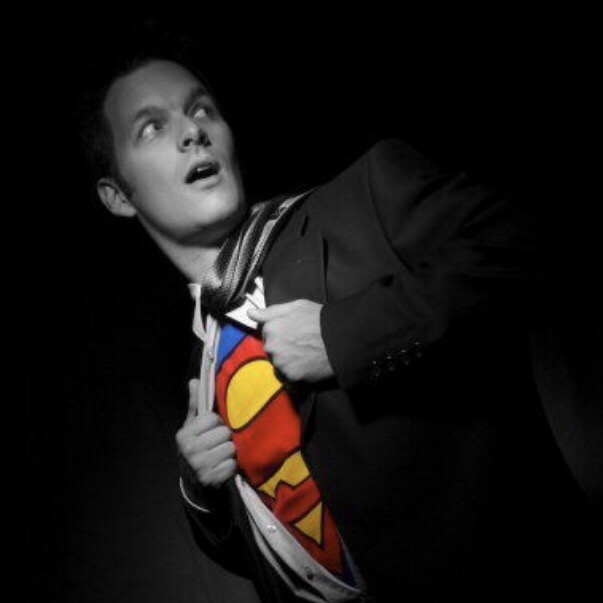
Creating unique portraits isn't about following a template or copying what every other photographer does. It's about capturing something real, something that tells a story about the person in front of the camera. Whether you're shooting for a corporate headshot, a family session, or building a model portfolio, the goal is the same: create images that stand out and actually mean something to the people who see them.
Why Generic Portraits Fall Flat
Most portraits look exactly the same. Same poses, same expressions, same boring backgrounds. That approach might have worked ten years ago, but in 2026, people expect more.
Your headshot shouldn't look like everyone else's LinkedIn profile picture. Your family photos shouldn't feel staged and stiff. Your grad portraits shouldn't be forgettable.
The photography industry has shifted. Clients now want authenticity over perfection. They want personality over polish. They want images that feel like them, not like a stock photo.
The Commercial Photography Difference
Commercial photography demands unique portraits because businesses use these images everywhere. Your website, your social media, your marketing materials, your email signatures. If your headshots look generic, your brand looks generic.
The Headshot Sessions focus on bringing out personality while maintaining professionalism. It's not just about good lighting and sharp focus. It's about capturing confidence, approachability, and the specific qualities that make someone memorable in their industry.
Elements That Make Portraits Truly Unique
Creating standout imagery requires intentional choices at every stage. Here's what actually matters:
Connection and Direction
Real expressions come from real interactions
Conversation during the session beats rigid posing
Understanding the client's goals shapes every decision
Comfort produces better results than forced smiles
Environmental Context
Location tells part of the story
Props and backgrounds should mean something
The Branding Sessions often incorporate workspace elements
Context adds layers of meaning to the image
Technical Execution
Lighting sets mood and draws attention
Composition guides the viewer's eye
Post-processing enhances without overdoing
Consistency matters for brand cohesion
Photographers like Annie Leibovitz built careers on creating portraits that felt intimate and provocative, not cookie-cutter. Martin Schoeller challenged traditional framing with extreme close-ups that made every subject equal, whether celebrity or unknown.
Branding Photography Requires Strategy
The Branding Sessions go beyond single headshots. They create a cohesive visual library that businesses can use across all platforms. Think multiple looks, various backgrounds, action shots, detail images, and environmental portraits.
This approach gives companies flexibility. One session produces content for months. But it only works when the portraits capture something authentic about the brand and the people behind it.
A lawyer needs different energy than a fitness coach. A tech startup founder needs different vibe than a financial advisor. Generic approaches ignore these differences. Unique portraits embrace them.
Portrait Type | Key Focus | Common Use | Duration |
Professional Headshots | Confidence & approachability | LinkedIn, websites, badges | 30-60 min |
Branding Sessions | Brand story & versatility | Marketing materials, social media | 2-4 hours |
Executive Portraits | Authority & personality | Annual reports, press releases | 1-2 hours |
Team Photos | Culture & connection | About pages, recruiting | 2-3 hours |
Creating Unique Portraits for Families and Grads
Commercial work isn't the only place where unique portraits matter. Family photography and grad sessions deserve the same thoughtful approach.
Nobody wants another stiff family photo where everyone looks uncomfortable. They want images that capture relationships, personalities, and real moments. The kind of photos that actually end up on walls instead of buried in a folder somewhere.
The Family Sessions work best when families can relax and interact naturally. Kids being kids. Parents being themselves. Real laughter instead of forced smiles.
What Makes Family Portraits Stand Out:
Natural interactions instead of rigid poses
Locations that mean something to the family
Activities that bring out personality
Mix of group shots and individual moments
Comfortable pacing that works with kids' attention spans
Grad Sessions That Reflect Individual Identity
The Grad Sessions capture a specific moment in someone's life. These aren't just photos. They're markers of transition, achievement, and possibility.
Generic grad portraits all look the same. Cap and gown in a studio. Fake backgrounds. Forced smiles. Nothing that actually reflects who the person is or what they've accomplished.
Unique grad portraits incorporate interests, personality, and individual style. Maybe that means shooting at a location that matters. Maybe it means bringing props that tell a story. Maybe it means capturing genuine expressions instead of manufactured ones.
The photographers Hellen van Meene and Søren Solkær both understand that portraits of young people work best when they capture authenticity rather than adult expectations. Van Meene's intimate approach to adolescents and Solkær's cinematic style with musicians both prioritize genuine character over conventional beauty.
Technical Approaches for Distinctive Images
Creating unique portraits requires both artistic vision and technical skill. Here's what actually makes a difference in the final image.
Lighting Choices Shape Mood
Natural light creates a different feel than studio strobes. Soft light feels gentle and approachable. Dramatic light adds intensity and mood. The choice depends on the purpose and personality.
Calgary Event Photography often requires adapting to challenging lighting conditions while still capturing compelling portraits of attendees, speakers, and key moments. The technical flexibility matters just as much as the artistic vision.
Lighting Considerations:
Direction creates dimension and depth
Quality affects mood and texture
Color temperature influences emotional response
Contrast levels guide attention
Consistency maintains brand cohesion across series
Composition Techniques Beyond Basic Rules
The rule of thirds works fine. But unique portraits often break conventional composition rules intentionally.
Negative space can emphasize isolation or create breathing room. Tight crops increase intimacy and intensity. Unusual angles add interest and perspective. Leading lines draw attention where you want it.
For those looking to elevate their business presence, Individual Headshots Packages offer options ranging from quick single-shot sessions to comprehensive packages with multiple looks and high-resolution delivery, all designed to create standout professional images that strengthen your brand.
Composition Technique | Effect | Best For | Consideration |
Tight framing | Intimacy, intensity | Executive portraits, headshots | Shows detail, requires perfect focus |
Environmental | Context, storytelling | Branding, lifestyle | Needs clean background management |
Off-center subject | Visual interest | Creative portraits | Balance with negative space |
Leading lines | Draws eye to subject | Architectural settings | Keep subject dominant |
Model Portfolio Development Through Unique Portraits
The Modeling Sessions serve a different purpose than commercial or family work. These portraits need to showcase versatility, features, and the ability to work in front of a camera.
But even model portfolios benefit from unique approaches. Cookie-cutter portfolio shots don't help models stand out in a competitive market. They need images that show range while maintaining a cohesive quality.
Portfolio Essentials:
Clean headshots showing features clearly
Full-body shots demonstrating proportions
Variety of expressions and energy levels
Different styling to show versatility
Professional quality throughout
The work of Shigeo Anzai demonstrates how candid, unposed approaches can reveal authentic character even in professional contexts. His documentary-style portraits of contemporary artists show personality without artifice.
Children's Photography Requires Different Skills
The Kiddo Sessions demand patience, flexibility, and the ability to work fast. Kids don't follow directions like adults. They get bored quickly. They're honest in ways that can be challenging.
But that honesty is exactly what creates unique portraits of children. Real smiles. Genuine curiosity. Actual personality instead of forced cuteness.
Working with kids means adapting your approach:
Keep sessions shorter than adult shoots
Build in play time and breaks
Follow their energy instead of fighting it
Capture candid moments between "poses"
Involve parents when it helps, exclude them when it doesn't
Business Branding Through Consistent Visual Identity
Companies that invest in professional photography understand that unique portraits build brand recognition. When all your team headshots match in style, quality, and energy, you look cohesive and professional.
Inconsistent imagery makes you look disorganized. When half the team has professional headshots and half has smartphone selfies, it undermines credibility. When everyone's photos look different, there's no visual brand identity.
Creating a consistent look across all portraits requires planning:
Pre-Session Planning
Define brand personality and values
Choose color palette and styling approach
Determine background options
Establish posing and expression guidelines
Coordinate wardrobe recommendations
Session Execution
Maintain consistent lighting setup
Use similar framing and composition
Guide subjects to appropriate expressions
Capture variety within established parameters
Ensure quality control throughout
Post-Processing Consistency
Apply uniform color grading
Maintain consistent skin tone handling
Match contrast and brightness levels
Standardize background treatment
Deliver in consistent formats and sizes
This level of attention might seem excessive, but it's what separates professional commercial photography from amateur work. Businesses notice the difference, even if they can't articulate exactly why one set of portraits feels more professional than another.
The Role of Post-Processing in Unique Portraits
Capturing a great image in-camera is only part of the process. Post-processing is where unique portraits get refined and polished without losing their authenticity.
The goal isn't to make everyone look like a different person. It's to enhance what's already there. Remove distractions, optimize exposure, refine colors, and ensure the final image matches the intended mood.
Post-Processing Elements:
Color correction maintains natural skin tones
Exposure optimization ensures proper brightness
Selective sharpening draws attention appropriately
Subtle retouching removes temporary blemishes
Background cleanup eliminates distractions
Research in portrait photography continues to evolve. Holo-Relighting techniques demonstrate how controllable volumetric portrait relighting from a single image advances digital portrait capabilities, though practical application in commercial work requires balancing innovation with client expectations.
Over-processing destroys what makes portraits unique. Heavy filters, excessive smoothing, unrealistic color grading. These approaches might look interesting on social media, but they don't work for professional applications. Clients want to look like themselves, just at their best.
Event Photography and Candid Portraits
Events present unique challenges for portrait photography. You're working with changing light, moving subjects, limited time, and unpredictable moments. But events also offer opportunities for authentic, unique portraits that studio sessions can't replicate.
Capturing genuine reactions, natural interactions, and unguarded moments requires anticipation and quick reflexes. You can't control everything, so you adapt and respond.
Event Portrait Strategies:
Scout locations in advance for impromptu portrait opportunities
Watch for genuine expressions and interactions
Use available light creatively
Move quickly between formal and candid approaches
Capture both individual portraits and group dynamics
The exhibition of Seydou Keïta's work shows how studio portraits can still feel dynamic and alive when the photographer brings energy and creativity to the process. His striking black-and-white portraits document not just individuals but entire cultural contexts.
Current Trends in Portrait Photography for 2026
Portrait photography evolves constantly. What felt fresh five years ago looks dated now. Staying current matters, but chasing trends blindly leads to work that ages poorly.
Current Approaches That Work:
Authentic expressions over manufactured poses
Environmental context over plain backgrounds
Natural light aesthetics even in studio settings
Minimal retouching that preserves texture
Cinematic color grading for editorial feel
Vertical framing optimized for mobile and social
Behind-the-scenes content showing process
Some trends fade quickly. Others represent genuine shifts in how people want to be photographed. The move toward authenticity isn't going away. Neither is the demand for images that work well on digital platforms.
Understanding best professional headshots means recognizing that technical excellence and authentic personality aren't mutually exclusive. The best portraits combine both.
Trend | Longevity | Application | Risk |
Authentic expressions | Long-term shift | All portrait types | None, this is fundamental |
Heavy filters | Short-term | Social media only | Dates quickly, looks unprofessional |
Environmental portraits | Growing preference | Branding, lifestyle | Requires location access |
Minimal retouching | Increasing | Professional, editorial | Must still look polished |
Vertical composition | Platform-driven | Social media, mobile | May not work for all uses |
Building Connection During Portrait Sessions
The technical stuff matters. Lighting, composition, settings, post-processing. But the real difference between generic portraits and unique ones often comes down to the connection between photographer and subject.
People who feel comfortable look better. People who trust you show more of themselves. People who understand the process cooperate better. Building that connection is part of the job.
It starts before the session. Clear communication about expectations, process, and timeline reduces anxiety. Showing examples of previous work helps people visualize the outcome. Answering questions builds confidence.
During the session, direction matters. Too much creates stiffness. Too little creates uncertainty. The right balance guides without controlling, suggests without demanding.
Connection Techniques:
Start with conversation before shooting
Explain what you're doing and why
Give specific, actionable direction
Show images during the session when appropriate
Adapt based on individual comfort levels
Maintain positive energy throughout
Family sessions require managing multiple personalities and comfort levels simultaneously. Photographer family photos work best when everyone feels included and valued, not just the adults or just the kids.
Delivering Unique Portraits That Clients Love
Creating unique portraits is only part of the process. Delivering them in ways that clients can actually use matters just as much.
Digital delivery is standard now, but formats, resolutions, and file types vary based on intended use. Web images need different specs than print images. Social media has specific requirements. Understanding these technical details ensures clients can use their portraits effectively.
Delivery Considerations:
Multiple resolutions for different applications
Proper color space for intended use
File formats appropriate to purpose
Organized naming conventions
Clear usage guidelines
Print-ready files when needed
Some clients need help understanding how to use their images effectively. Providing guidance on sizing for different platforms, printing recommendations, and best practices adds value beyond just handing over files.
The investment in commercial photography pays off when businesses can leverage those images across multiple channels and applications over extended periods. Quality and versatility matter more than quantity.
Unique portraits separate memorable images from forgettable ones, whether you're building a professional brand, capturing family moments, or documenting important life transitions. The combination of technical skill, authentic connection, and strategic planning creates portraits that actually matter to the people in them. If you're ready to create images that stand out and tell your story, Jeff B Photography brings expertise in commercial headshots, branding sessions, events, and family photography to Calgary and surrounding areas, delivering portraits that capture personality and purpose with every shot.
Comments